- Eye Health
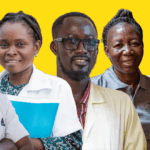
It takes a team to ensure children can reach their full potential. To highlight their crucial work, we are spotlighting some of the unsung heroes of child eye health in Africa.
From tireless teachers and community health workers to master optical technicians and clinical psychologists, transforming child eye health in Africa requires a variety of experts.
Effective child eye health treatment depends on a workforce well beyond ophthalmologists or optometrists. Focal point teachers, community health workers, optical technicians, clinical psychologists and others all play a crucial role in spotting problems early, connecting children with care and successful treatment plans.
A pioneering programme for child eye health in Africa
“1,2,3 I Can See!” is Light for the World’s flagship child and school eye health programme, working with ministries of health and education to strengthen child eye health systems in Burkina Faso, Ethiopia, Mozambique and Uganda.
By training teachers, optometrists, community health workers and others, children are screened early, referred quickly and given the care they need by specialist doctors like paediatric ophthalmologists.
From 2021 until the end of 2025, the “1,2,3 I Can See!” programme trained 4,372 teachers and education workers to detect and refer children with possible vision problems. Together they pre-screened more than 1.1 million children.
The programme has distributed 13,068 pairs of glasses to children, with an additional 4,343 pairs for schoolteachers. More than 2,000 non-ophthalmic community health staff and stakeholders have been trained.
And 351,656 children have received eye health consultations at hospital, with 6,451 undergoing surgery.
Millions of reasons to support child eye health in Africa
- Since Light for the World was founded in 1988, we have provided:
- 1.4 million eye surgeries (including more than one million cataract operations)
- 100 million doses of medication against Neglected Tropical Diseases (NTDs), mainly against blinding trachoma in Ethiopia
- 20 million consultations in eye health
- To play your part in saving the eyesight of children, consider donating now.
Meet the unsung heroes
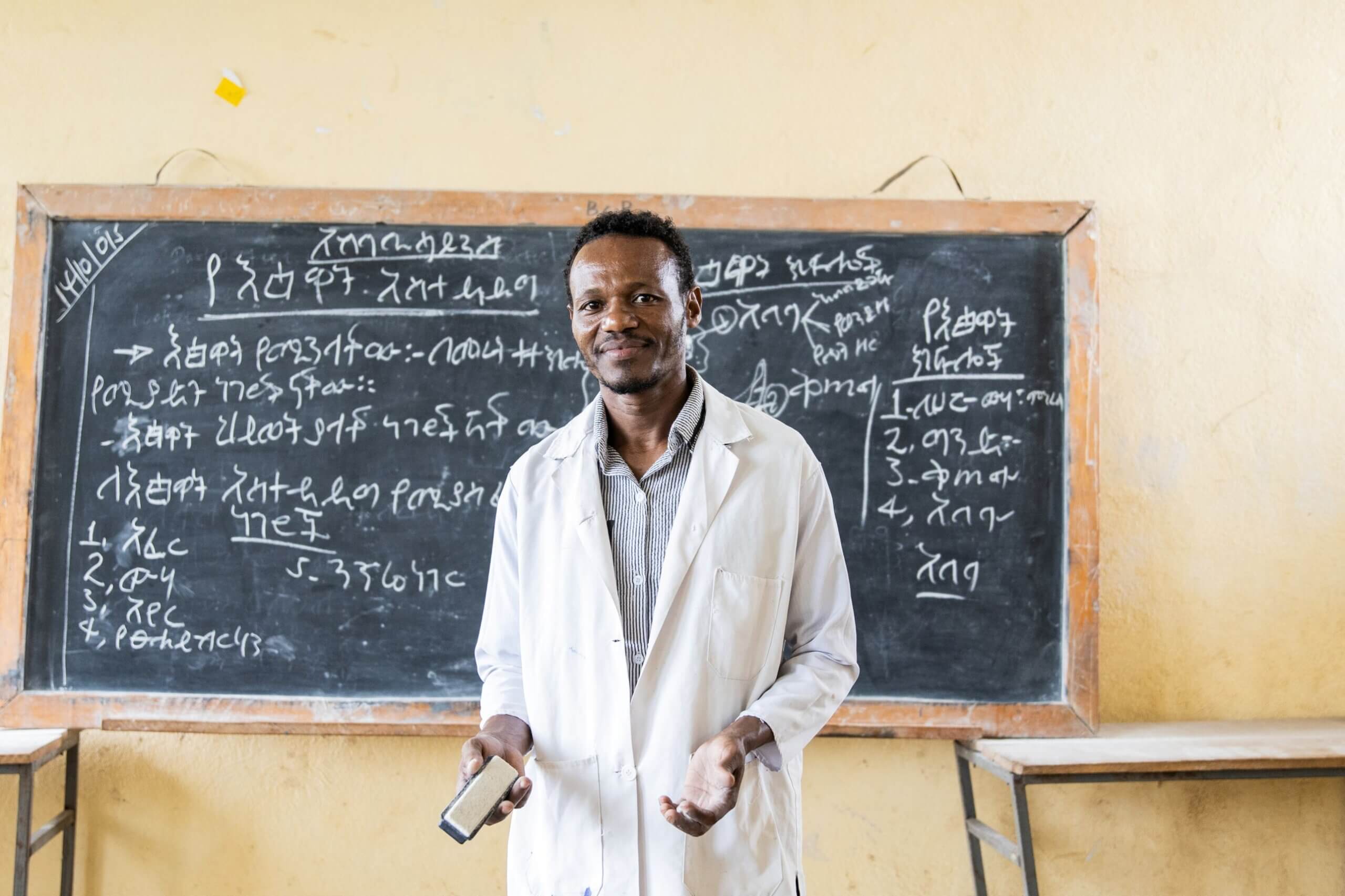
Thousands of teachers across Africa are identifying children in need of eye care long before they visit a clinic.
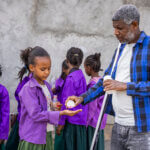
They include Desalegn Wada, who is part of a teacher team that pre-screens the eyes of all 4,300 pupils at Sikela Primary School in Arba Minch, Ethiopia.
“Through Light for the World’s eye health programme, I and other teachers at the school have been upskilled on how to identify and pre-screen children with eye problems, after which we refer them to an eyecare professional for treatment,” he says.
“We have seen a great improvement with the retention of children in school — school dropouts due to eye problems have decreased. As the school community, we are pleased with the programme because it has changed the lives of many pupils.”
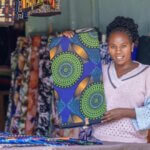
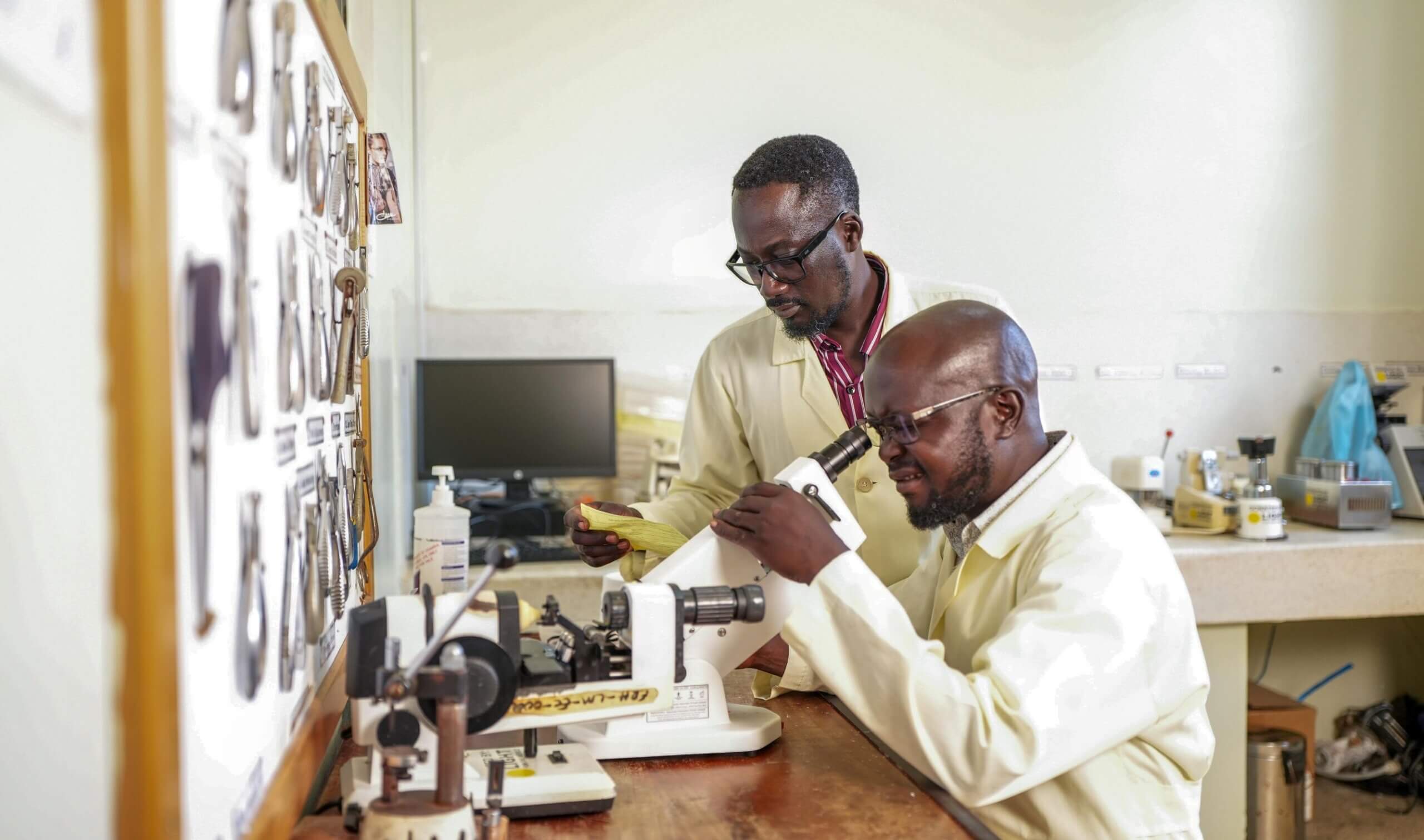
Optical technicians Jimmy Ogwal and Davidson Komakech have made hundreds of thousands of pairs of spectacles for children and adults.
Based at the National Optical Workshop in Entebbe Regional Referral Hospital, Uganda, the pair make affordable glasses, and, with Light for the World’s support, provide some free of charge.
“We are about making an impact for those who cannot afford such services,” Jimmy says.
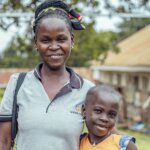
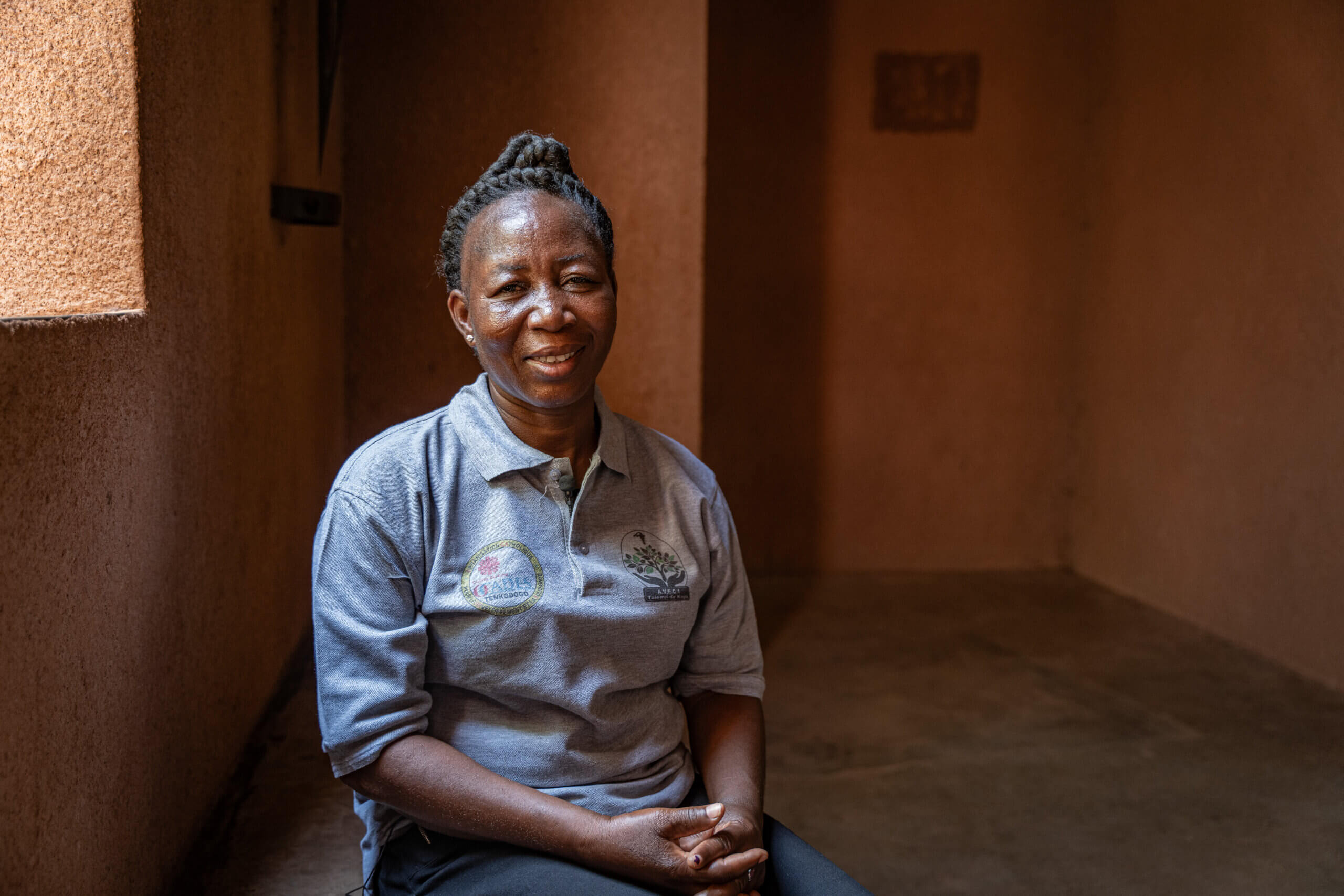
Community health worker Delphine Gampené builds trust with communities, supporting parents in Burkina Faso whose child has an eye problem.
“Sometimes you meet someone who does not even know where to seek treatment,” says Delphine.
“When you guide them toward proper healthcare services and they finally receive treatment, that is very touching.”
Dr Tiago Machissa, Head of Ophthalmology at Central Hospital Beira, Mozambique, oversees what is believed to be the only psychosocial support service for ophthalmology patients in the country.
“Patients accept their treatment more, it also reduces the rate of abandonment, and there is always someone to give support whenever necessary,” he says.
Why backing child eye health workers in Africa is a sound investment
Investing in this workforce is among the most cost-effective choices in global health.
Catching an eye problem early, whether through a teacher’s pre-screening, a pair of glasses or timely treatment, keeps children in class and sets them up to earn and thrive as adults.
Every dollar spent treating neglected tropical diseases, including blinding trachoma, is estimated to return around US$25 in economic and social benefits, from lower healthcare costs to higher school attendance.
Biruktayit Kefyalew, an optometrist and Expert, Eye Health, at Light for the World, says: “Delivering quality child eye health requires a skilled and coordinated workforce at every level, and these unsung heroes deserve to have their vital work recognised.
“Through the “1,2,3 I Can See!” Programme, working alongside ministries of health and education, we have shown what a successful and sustainable child eye health model looks like in Burkina Faso, Ethiopia, Mozambique and Uganda. With more funding, we want to take that model further, so every child has the chance to see, learn and fulfil their potential.”