- Eye Health
It takes a team to ensure children can reach their full potential. As we spotlight some of the unsung heroes of child eye health in Africa, meet the community health workers quietly helping children see, stay in school and thrive.
Learning their child has an eye problem is a daunting moment for any parent.
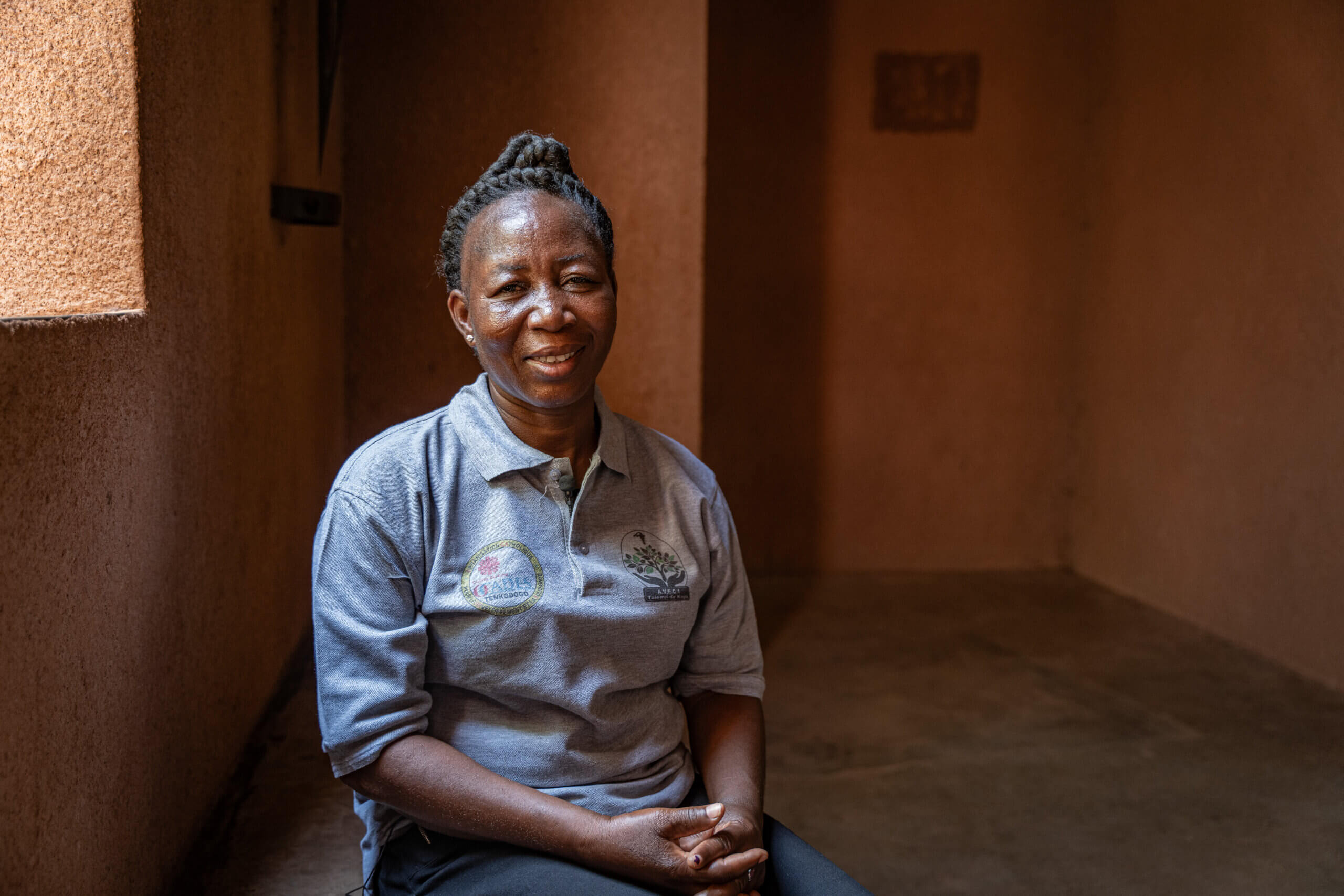
In Burkina Faso, Delphine Gampené has spent almost two decades building trust with communities to guide families through situations like this.
For Delphine, supporting a child means more than making a referral. She remains alongside children and their families throughout, helping them navigate fears and misconceptions about eye health treatment and ensuring they are set up for a successful future.
A pioneering programme for child eye health in Africa
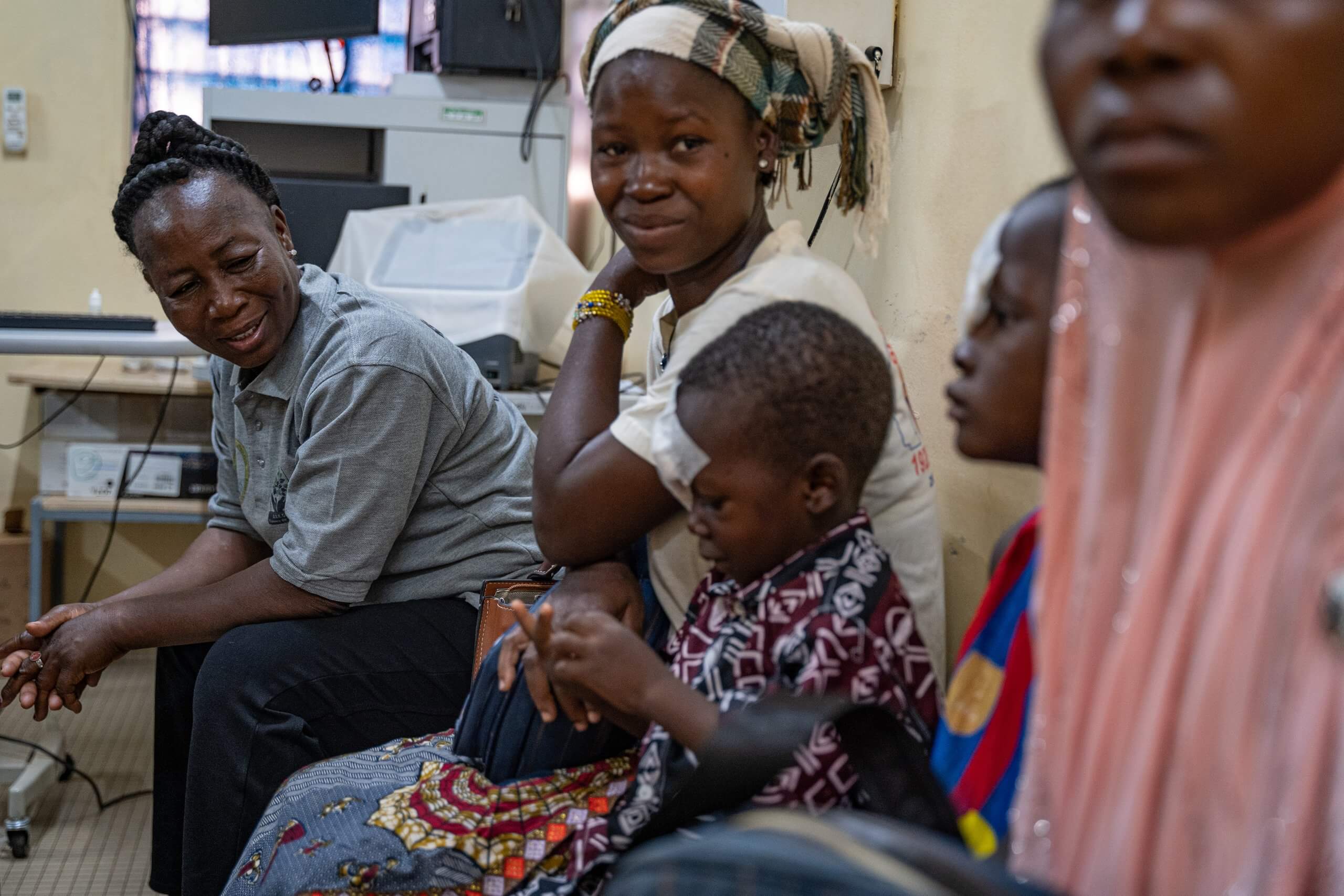
Delphine is among the community health workers working behind the scenes to identify children with vision problems, support anxious families and ensure they receive essential eye health care.
Effective child eye health treatment depends on a workforce well beyond ophthalmologists or optometrists. Community health workers, teachers, optical technicians and others all play a crucial role in connecting children with care.
“1,2,3 I Can See!” is Light for the World’s flagship child and school eye health programme, working with ministries of health and education to strengthen child eye health systems in Burkina Faso, Ethiopia, Mozambique and Uganda.
By training teachers, optometrists and community health workers, children are screened early, referred quickly and given the care they need by specialist doctors like paediatric ophthalmologists.
From 2021 until the end of 2025, the “1,2,3 I Can See!” Programme trained more than 1,300 community health stakeholders.
Building trust in health care systems
A former community-based rehabilitation (CBR) worker, Delphine now works as a Project Coordinator with OCADES Tenkodogo, part of the Disability and Inclusive Development Programme Tenkodogo. The programme is a longstanding partner of Light for the World, and its CBR project in Garango supports children identified through eye health screening and outreach.
Her role as a Project Coordinator goes far beyond identifying children who need care. She helps families navigate what can be an unfamiliar and frightening medical experience, from the first identification of an eye problem to referral, treatment and follow-up.
For Delphine, the relationships she builds with families are an essential part of the work. In rural communities, families may have financial concerns, limited access to health services or little understanding of what a medical procedure involves.
Delphine has seen how rumours and misconceptions can make that fear even worse.
“Before the surgeries, the parents were very worried about their children’s condition because they did not know what to expect,” she says.
“One major concern was also financial, whether they would have the means to pay for treatment.”
This is where community-based workers like Delphine can make a crucial difference. Knowing the families and communities, she can guide them through the process and provide reassurance, alongside the medical care delivered by specialists.
She remembers the mother of a young girl, Zagré, who had been deeply affected by frightening rumours about her child’s treatment.
“Many people told her that her child would never recover. Others even told her that her child’s eye would be removed,” says Delphine.
“Only after seeing her child healthy again did she finally regain peace of mind. Today, she is very happy. Because everything people predicted did not happen.”
Delphine’s work does not stop after treatment. With colleagues, she conducts home visits, provides follow-up care, offers home-based education and monitors treatments. They also support people taking part in vocational training and income-generating activities.
“Sometimes you meet someone who does not even know where to seek treatment,” says Delphine.
“When you guide them toward proper healthcare services and they finally receive treatment, that is very touching.”
Bringing eye health care to remote communities
In Ethiopia, Tefera Hiluf, 50, works as a Neglected Tropical Diseases (NTD) and Mass Drug Administration (MDA) Expert at the Mekoni District Health Office in Tigray.
His job focuses on planning and implementing MDAs alongside improving health education in communities.
“Although many think diseases like trachoma are a thing of the past, in reality, they are still affecting many people, particularly in remote areas,” says Tefera.
A proven treatment for blinding trachoma
Trachoma is a bacterial eye infection of the conjunctiva, caused by Chlamydia Trachomatis.
If discovered early enough, trachoma is easy to treat with antibiotics. However, repeated infections over time cause scarring on the inside of the eyelid.
As the disease progresses, the eyelashes turn inwards and scrape the cornea – a painful condition known as trachomatous trichiasis. Left untreated, this can lead to corneal opacity and, ultimately, to irreversible blindness.
According to the WHO, around 1.9 million people have lost their sight globally due to trachoma, and approximately two million people require urgent sight-preserving surgery.
“Thankfully, it is preventable and treatable. We provide antibiotics and promote hygiene practices to control its spread. Donations are essential because they fund medication, awareness campaigns, training and WASH [Water, Sanitation and Hygiene] improvements, all of which are critical in tackling this disease effectively.
“We use a combination of communication tools to reach every segment of the population. We rely heavily on community influencers, religious leaders and local elders to mobilise people from the grassroots level.
“Additionally, we broadcast MDA messages through radio and TV, which are highly effective in rural areas. Social media is also an emerging tool for raising awareness, especially amongst younger audiences.”
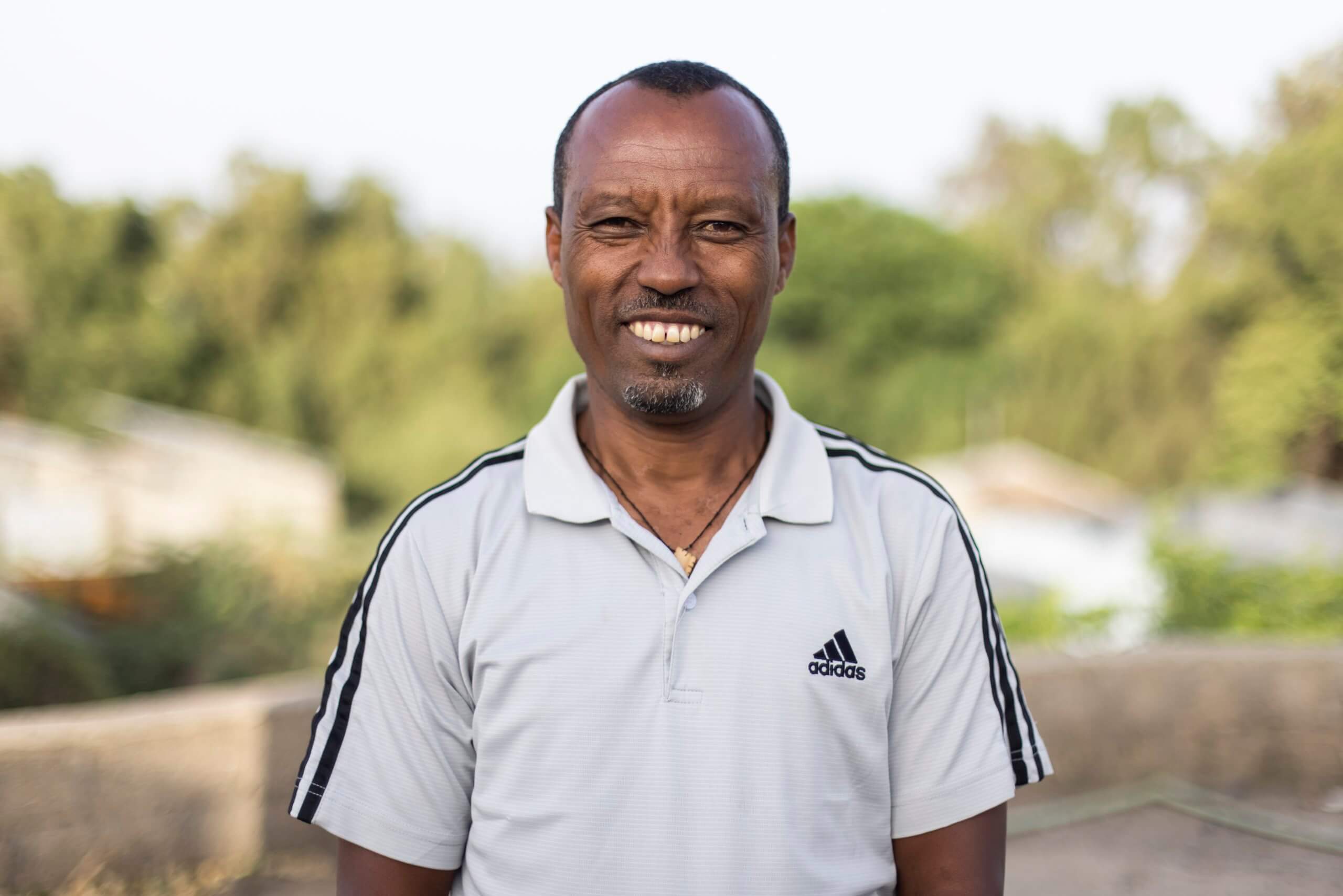
“The change has been remarkable. Before Light for the World began supporting us, trachoma prevalence was high. Through consistent MDA campaigns, hygiene education and outreach, this has dropped,” says Tefera.
“The workload is demanding, but the impact makes it worthwhile.”
Why child eye health in Africa is a sound investment
A simple eye test, timely treatment or a pair of glasses can change the course of a child’s life.
Neglected Tropical Diseases, including trachoma, primarily affect low-income and marginalised communities. Yet they are also among the most affordable diseases to prevent and eliminate.
Every dollar invested in NTD treatments is estimated to generate around US$25 in economic and social benefits – from reduced healthcare costs to increased school participation – while restoring sight, independence and quality of life.
“The benefits extend far beyond eye health. With fewer people suffering from trachoma, children are able to attend school more regularly, families are spending less on medical treatment and productivity has increased,” says Tefera.
“We’ve seen firsthand how preventing blindness improves economic wellbeing.”
Despite huge progress in reducing rates of trachoma, obstacles such as lack of resources, conflict, displacement and underfunding remain a challenge to reaching the WHO goal of eliminating trachoma as a public health problem worldwide by 2030.
“Trachoma continues to affect millions of people, especially in under-resourced communities. If you are in a position to help, your donation or advocacy can make a real difference,” says Tefera.
Biruktayit Kefyalew, optometrist and Expert, Eye Health, at Light for the World, says: “Community health workers play a vital role in protecting children’s vision. More than 85% of vision impairment is preventable or treatable, yet many people present too late to benefit from timely care.
“By identifying eye problems early, referring children promptly to the right health services and supporting families to seek care, community health workers can help prevent avoidable vision loss and ensure children receive the care they need at the right time.”