- Eye Health
- Disability Rights
- News Wrap
October 2026 News Wrap — our work, successes and impact.
October news wrap: more than 900 students screened on World Sight Day in Ethiopia
October 2026 News Wrap — our work, successes and impact
Seeing clearly in class on World Sight Day and beyond
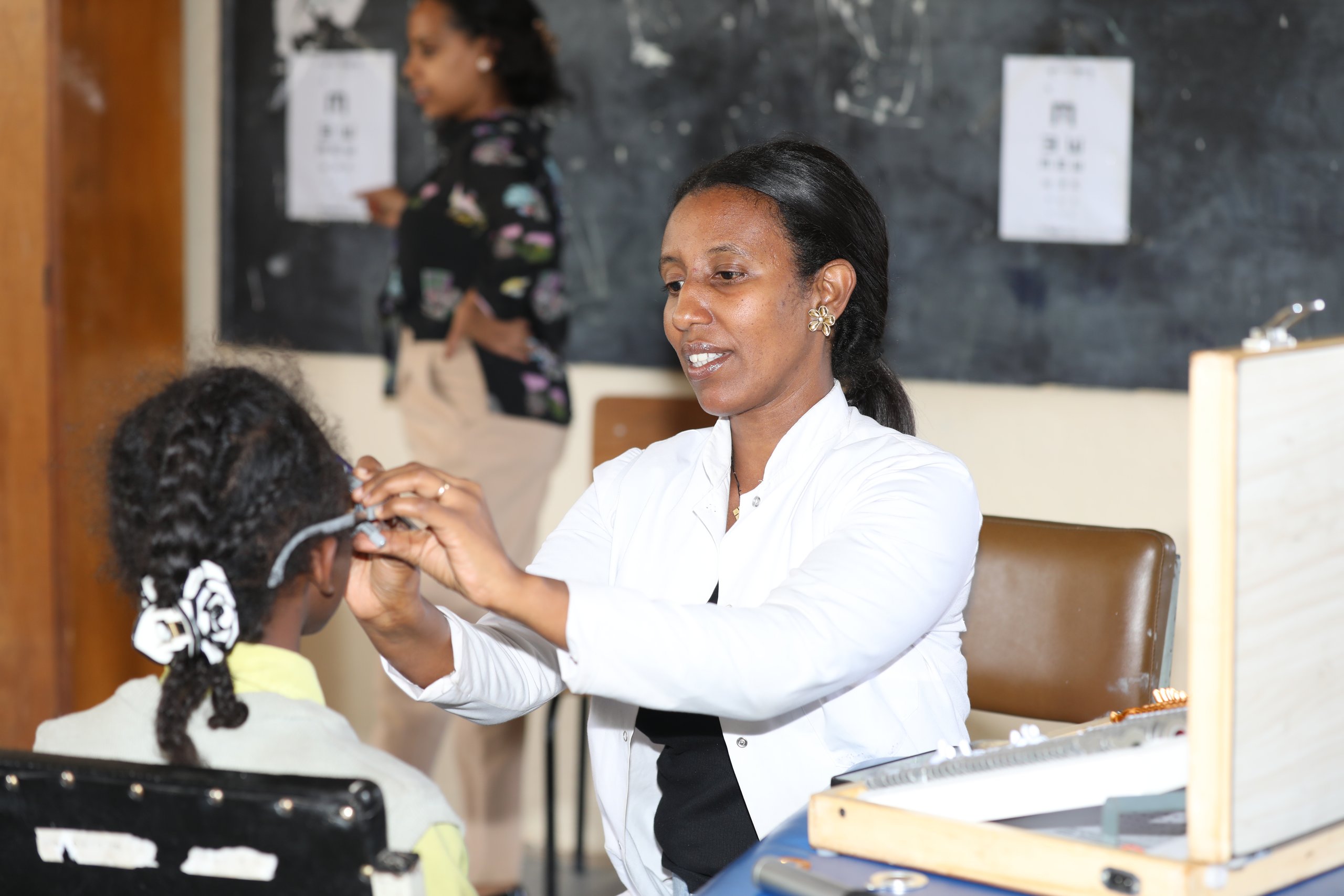
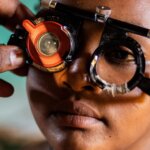
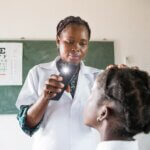
To mark World Sight Day on 8 October, Light for the World Ethiopia screened more than 900 students for vision problems at Menelik Elementary School in Addis Ababa.
Students diagnosed with refractive errors, one of the most common causes of visual impairment in children, received spectacles so they can see the board, read and learn with confidence.
Early detection in schools means vision problems are picked up before they hold children back, supporting their learning and participation in class.
School screenings are only one part of the picture. Find out how teachers are helping to spot vision problems early and read more about the other unsung heroes of child eye health in Africa.
Making inclusive education a reality in Kenya
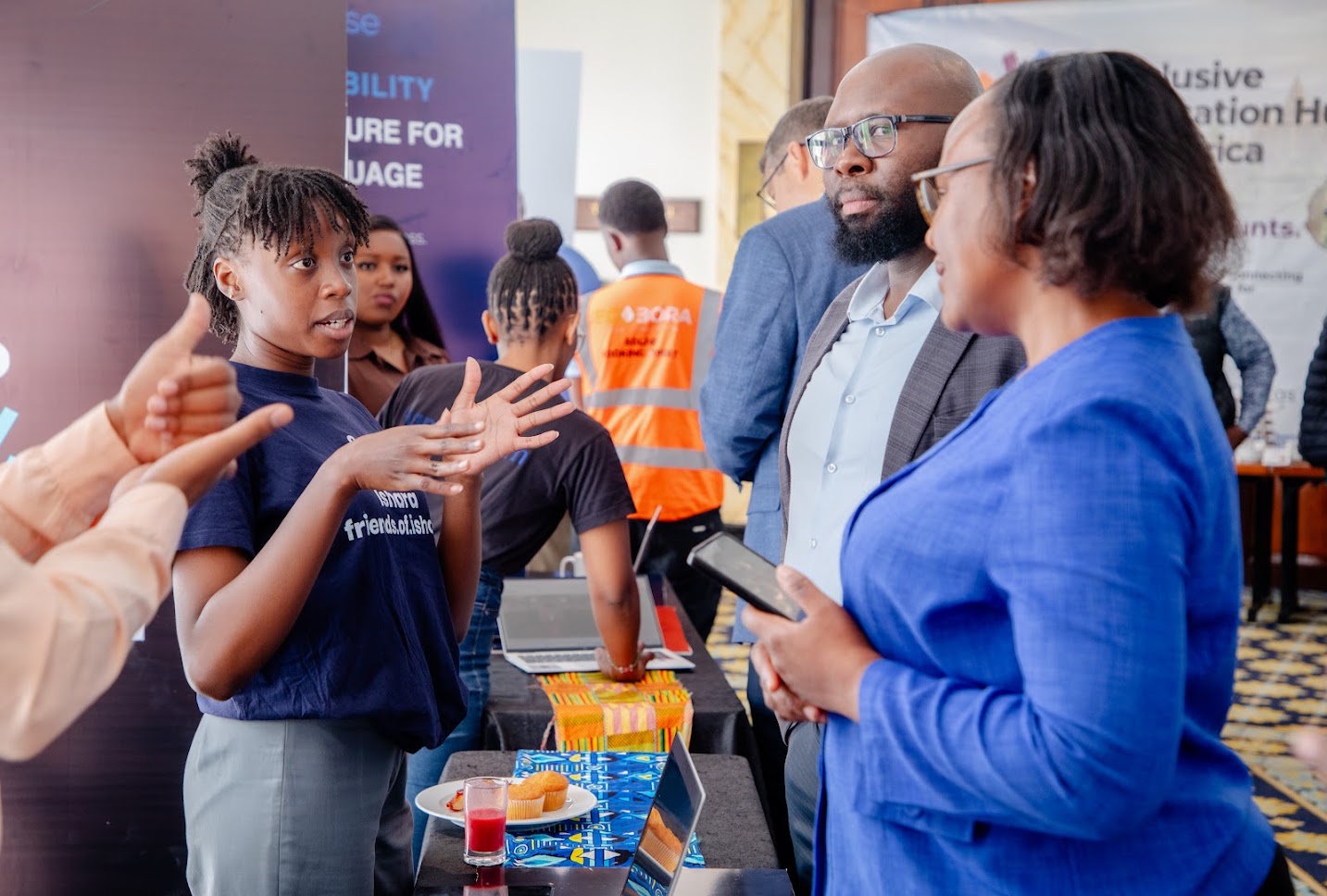
Light for the World Kenya joined the launch of the Inclusive Education Hub for Africa in Nairobi, facilitated by LM International (Läkarmissionen) in partnership with Kenya’s Ministry of Education and other sector partners.
The hub will give organisations a platform to connect, consult and collaborate, so they can better coordinate efforts to make quality, accessible inclusive education a reality across Africa and beyond.
Discussions focused on turning commitments into practice, and how innovation can tackle long-standing barriers for learners with disabilities. Kenya’s Ministry of Education set out its priorities: reviewing the Sector Policy for Learners and Trainees with Disabilities, adopting Unified English Braille by January 2029 and increasing financing for disability-inclusive education.
Inclusive education, particularly in early childhood, is a growing focus for Light for the World Kenya. Working alongside government and partners, the team supports how inclusive education policies and systems are adapted nationally, so that every learner can access quality education.
Building partnerships for disability inclusion in South Sudan
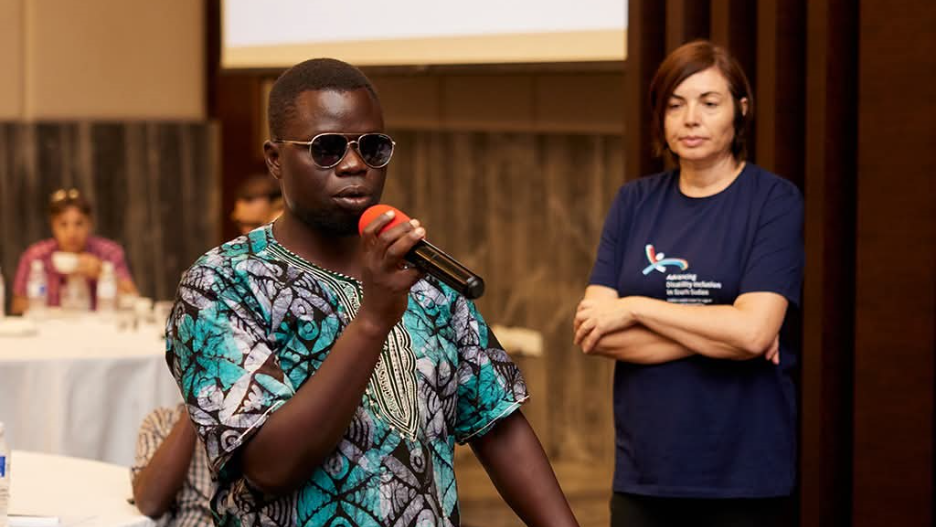
Light for the World South Sudan is hoping for further collaborations to advance disability rights after supporting a landmark conference organised by the Italian Agency for Development Cooperation (AICS).
Under the theme “Advancing Disability Inclusion in South Sudan for Equal Rights and Opportunities”, the two-day conference marked AICS’s first direct engagement on disability inclusion in South Sudan, following earlier support for community-based rehabilitation (CBR) projects.
Light for the World connected AICS to key disability inclusion stakeholders, including organisations of persons with disabilities (OPDs), relevant government ministries, civil society organisations and development partners.
Sophia Mohammed, Country Director, and Mandela Isaac, Disability Inclusion Officer at Light for the World South Sudan, highlighted how disability, displacement, poverty and gender inequality can create multiple barriers to participation and access to essential services.
Mandela emphasised the importance of applying an intersectional approach to programme design to ensure the diverse needs, experiences and priorities of people with disabilities are recognised and addressed.
In case you missed it…
- Light for the World delegates shared experiences, lessons and practical approaches to eliminating neglected tropical diseases (NTDs), strengthening health systems and building resilience at the 17th Annual NNN Conference in Kigali, Rwanda, from 29 September to 1 October.
- Silvester Kasozi, Country Director for Light for the World Uganda, called for eye health to be treated as an essential part of Uganda’s health and education systems, speaking on NTV Uganda and to New Vision.
- Want more stories of impact? Subscribe to our newsletter to stay updated on our work in disability rights, eye health and inclusive development.