- Eye Health
It takes a team to ensure children can reach their full potential. As we spotlight some of the unsung heroes of child eye health in Africa, meet the teachers quietly helping children see, stay in school and thrive.
When teacher Godfrey Businge used to catch pupils copying from their classmates, he never considered it was because they couldn’t clearly see the chalkboard.
“I even punished some of the children when they copied from their neighbours instead of from the board,” says Godfrey, a teacher at Duhaga Boys Primary School, which serves 1,500 boys and girls, in Hoima, Uganda.
“Today I am really sorry, but I did not know what else to do.”
A pioneering programme for child eye health in Africa
Godfrey is one of thousands of teachers across Africa ensuring children can be identified as in need of eye care long before they ever visit a clinic.
Effective child eye health treatment depends on a workforce well beyond ophthalmologists or optometrists. Community health workers, teachers, optical technicians and others all play a crucial role in connecting children with care.
“1,2,3 I Can See!” is Light for the World’s flagship child and school eye health programme, working with ministries of health and education to strengthen child eye health systems in Burkina Faso, Ethiopia, Mozambique and Uganda.
By training teachers, optometrists, community health workers and others, children are screened early, referred quickly and given the care they need by specialist doctors like paediatric ophthalmologists.
From 2021 until the end of 2025, the “1,2,3 I Can See!” Programme trained 4,372 teachers and education workers to detect and refer children with possible vision problems. Together they pre-screened more than 1.1 million children. In Uganda, a module on eye health has been integrated into the national teacher training curriculum.
ABC and the vision corridor – early detection in action
Godfrey and his colleagues received training to recognise and pre-screen for common vision problems. A vision corridor — a wall in the playground with letters in different sizes — allows pupils to check their distance vision. Across Uganda, there are more than 300 vision walls in schools.
Godfrey uses the ABC approach to identify those who may need help:
- Appearance: is the eye red, swollen or unusually small or big?
- Behaviour: does the child rub their eyes, squint to see the chalkboard, blink a lot or copy from classmates?
- Complaints: do they report headaches, sore eyes or difficulty reading the chalkboard?
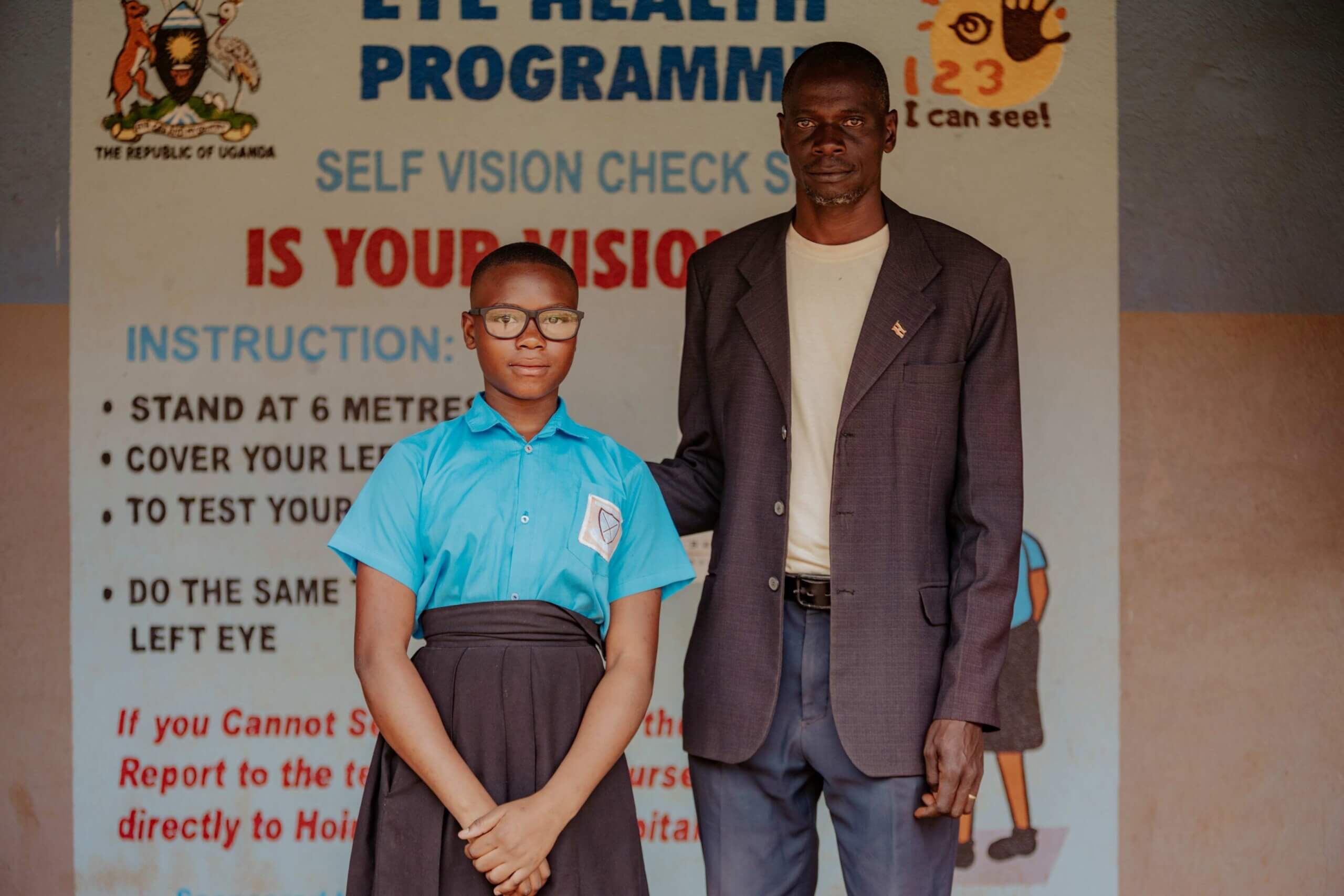
He refers urgent cases immediately to the nearest health unit with an eye health professional and presents non-urgent cases to an Ophthalmic Clinical Officer.
Godfrey explains that he and his fellow teachers can now sometimes recognise a student with a potential vision problem by their behaviour.
“For example, they often look at the notebooks of a classmate sitting next to them instead of at the board. They also squint. Or they have a headache,” Godfrey says.
“Now, after the training and the support we get through the child eye health programme of Light for the World, I know what to do if a child has a vision problem. I am very relieved.”
‘We work for love’ — saving children’s eyesight in Mozambique
Driven to ensure all Mozambican children have the chance to learn, Teresa Tomas Mussa is taking her training beyond the school gates.
Teresa is the eye health focal teacher at Secondary School Engenheiro Filipe Jacinto Nyusi, in Manhiça, Maputo province, Mozambique. Like all eye health focal teachers, she takes on the role alongside her normal teaching responsibilities.
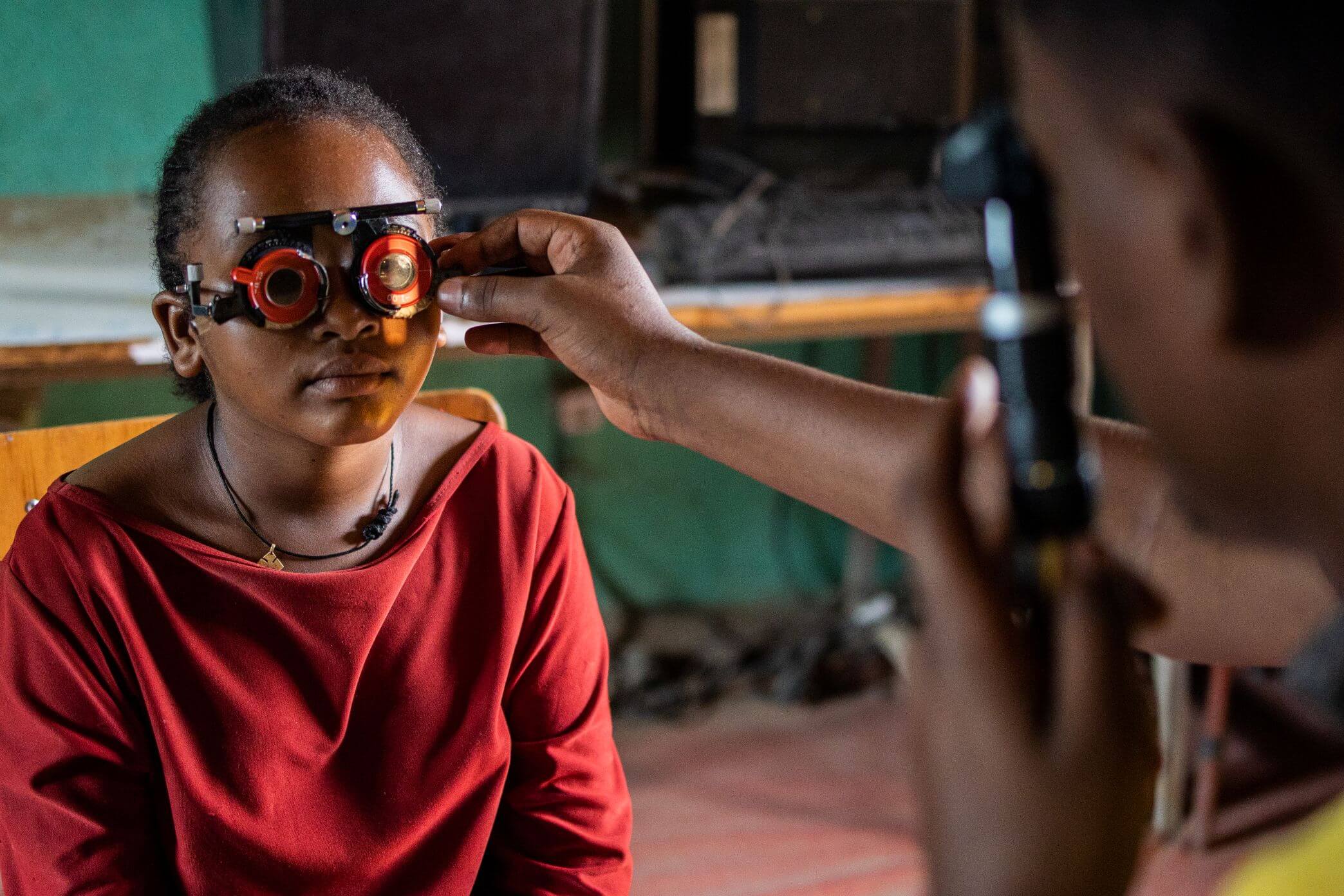
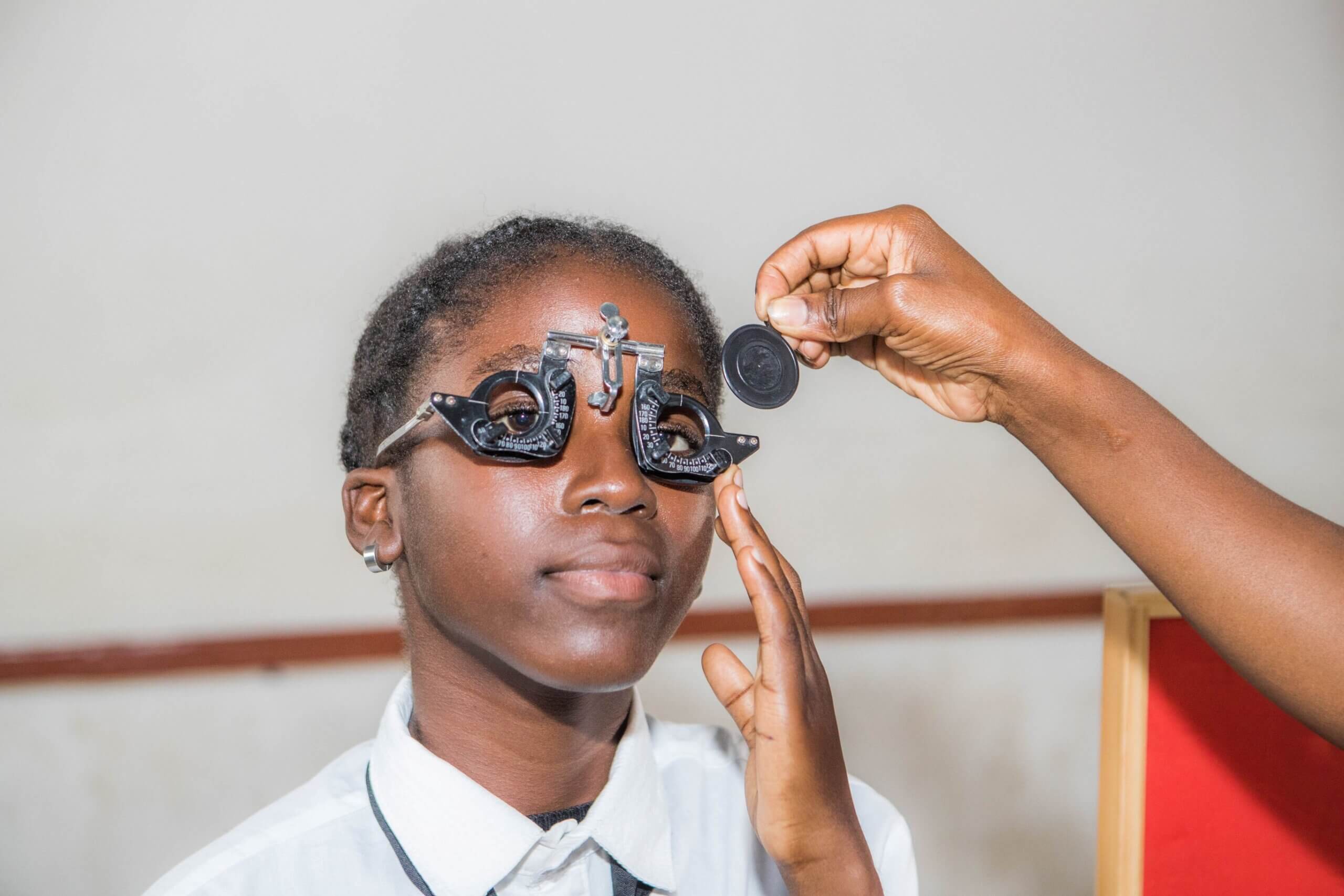
Teresa pre-screens pupils at her school, identifying those with vision problems. An optical technician then prescribes glasses for those who need them.
As well as the pupils at her school, Teresa conducts screenings of other children in her neighbourhood, referring them to hospital when needed.
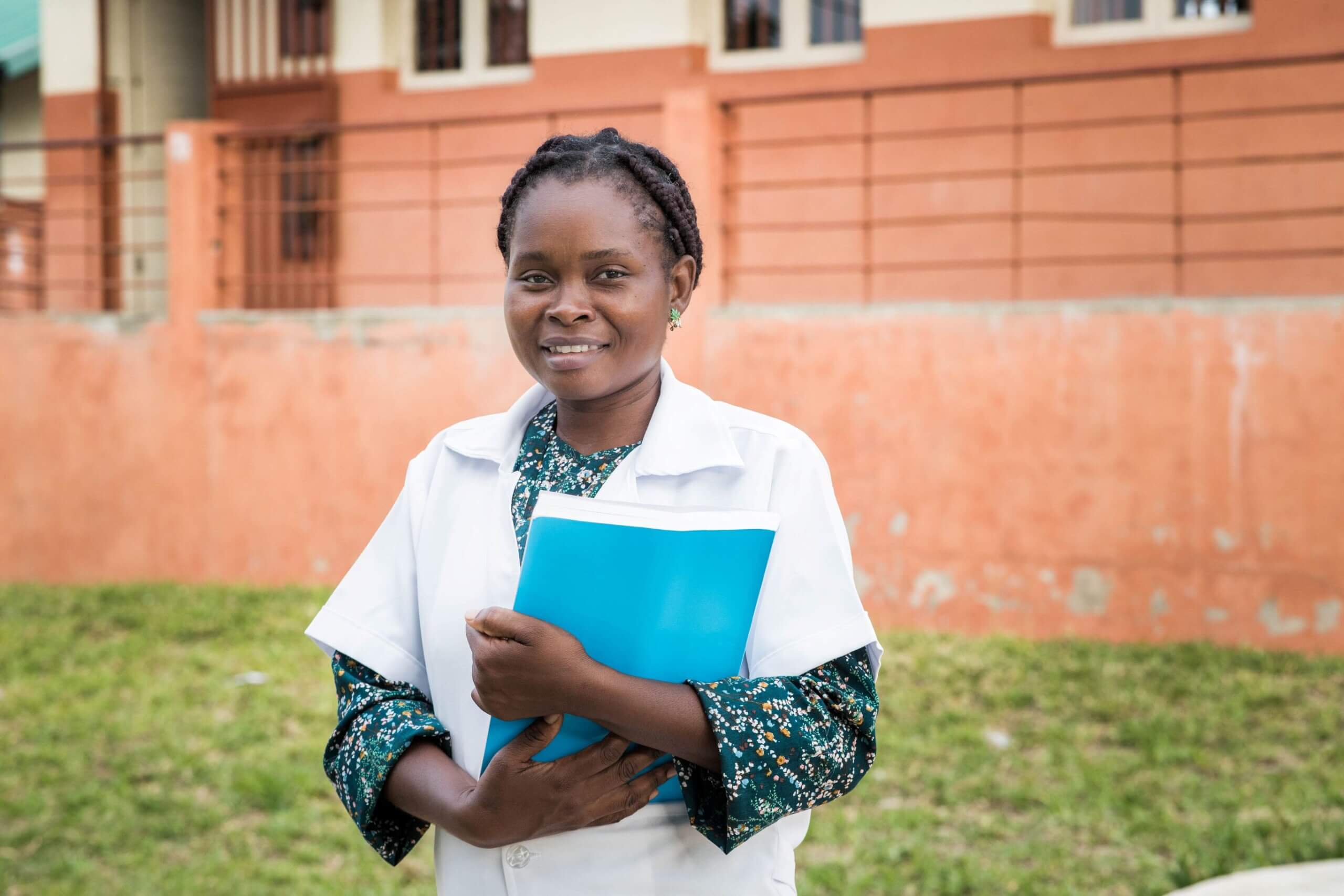
Teresa thinks the training she received should be part of the national teacher training curriculum, so all Mozambican children can benefit. While most classroom screenings take place during her workday, she sometimes pre-screens pupils on her day off.
“We work for love,” she says.
“The children benefit from the programme. We are thankful to be part of it.”
Fewer dropouts, brighter futures
Science teacher Desalegn Wada didn’t start his career thinking he would one day be helping to save the sight of his pupils.
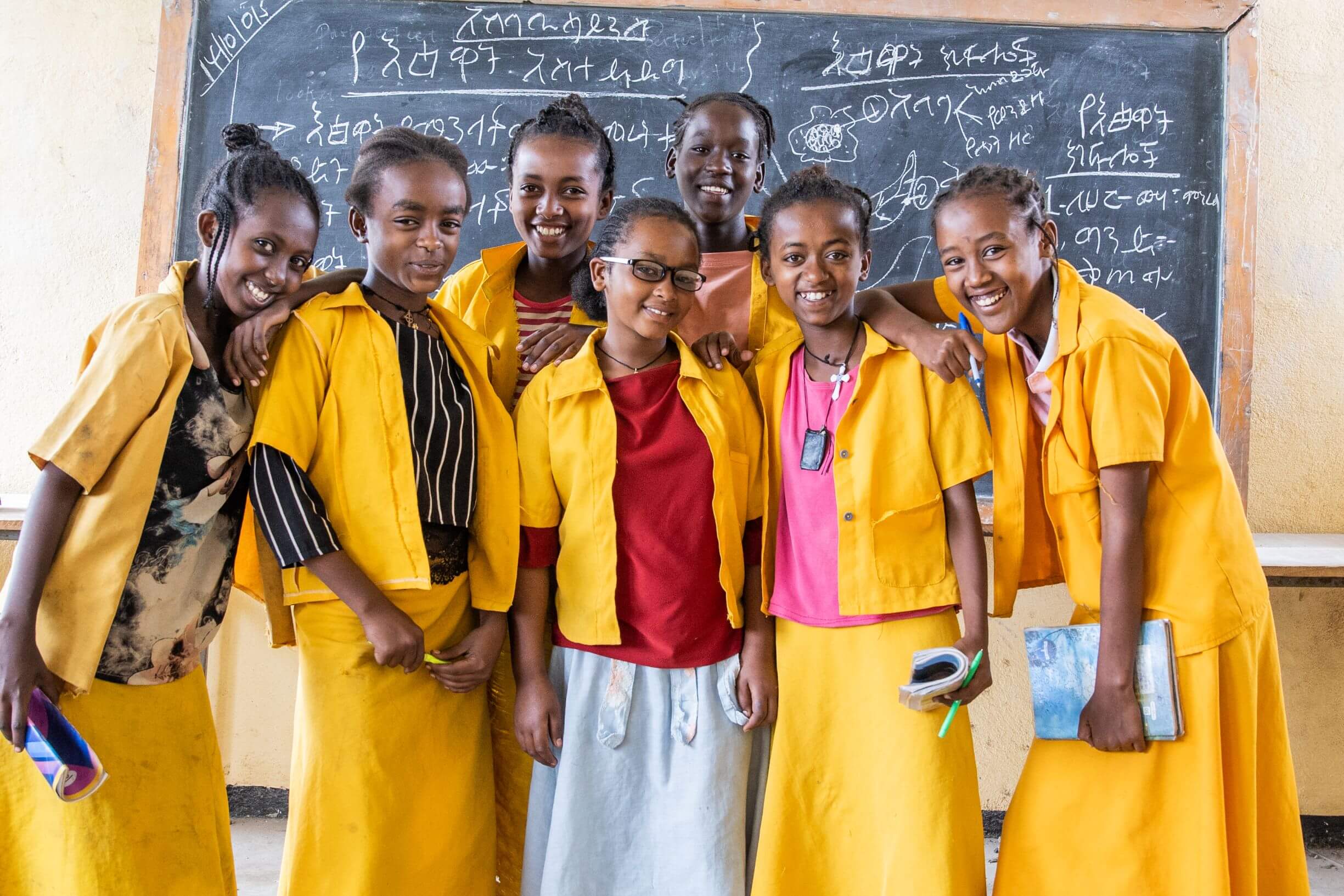
But alongside teaching biology, chemistry and physics, Desalegn is part of a teacher team that checks the eyes of all 4,300 pupils at Sikela Primary School in Arba Minch, Ethiopia.
“Eye problems among pupils in school are a very rampant issue here at Sikela,” Desalegn says.
“More often than not, children are not able to see the chalkboard — a situation that makes them frightened. Some prefer to drop out of school and stop their studies.
“Through Light for the World’s eye health programme, I and other teachers at the school have been upskilled on how to identify and pre-screen children with eye problems, after which we refer them to an ophthalmologist for treatment. In most cases, pupils receive eye drops and others also require corrective lenses to enable them to be independent and to participate in class.”
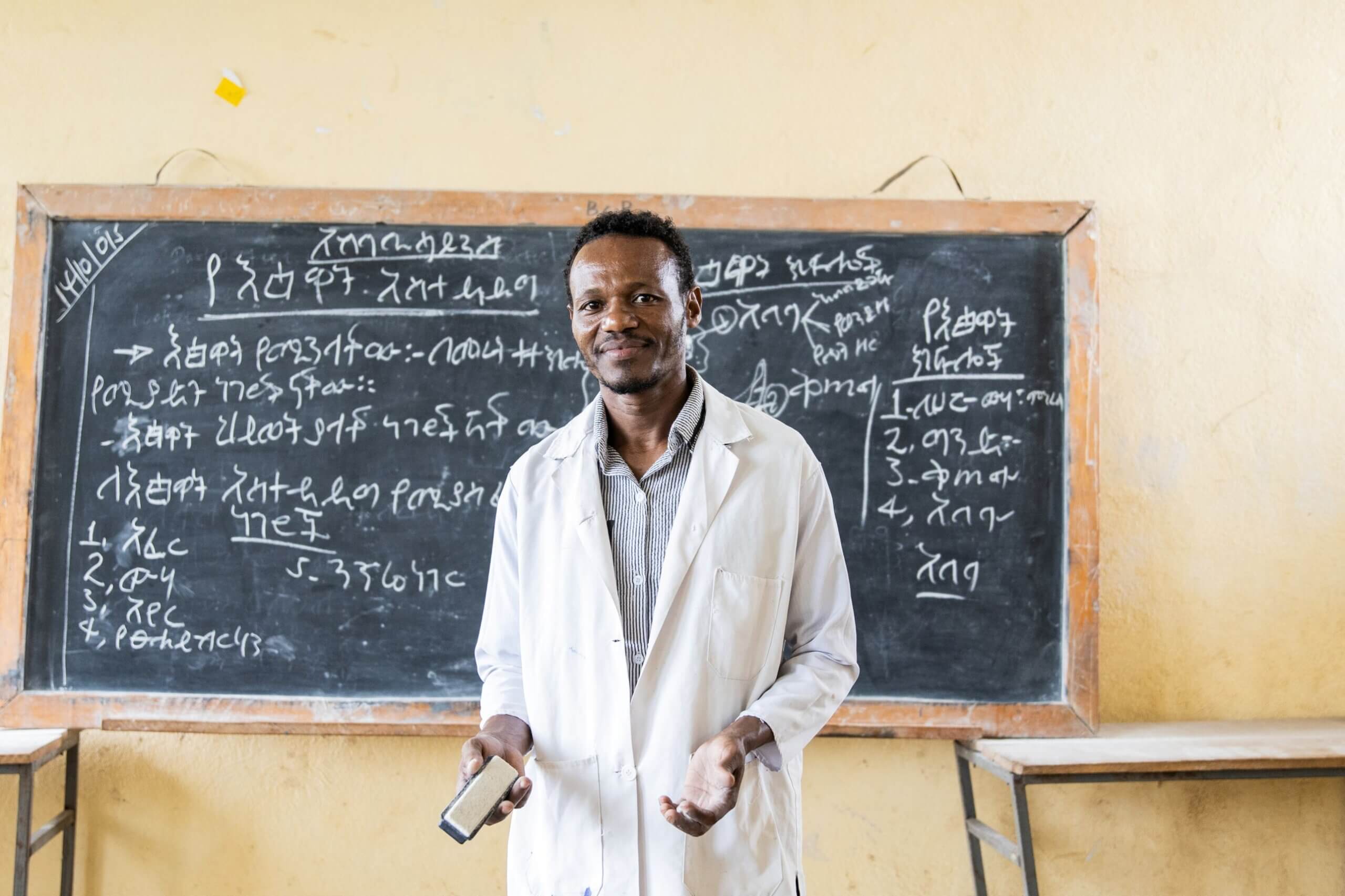
Desalegn, who pre-screens the eyes of about 300 pupils a year, says the programme is keeping children in school and giving them the chance to see, learn and thrive.
“We have seen a great improvement with the retention of children in school — school dropouts due to eye problems have decreased,” he says.
“As the school community, we are pleased with the programme because it has changed the lives of many pupils.”
Why child eye health in Africa is a sound investment
A simple eye test and a pair of glasses can change the course of a child’s life.
Uncorrected refractive error is the leading cause of vision impairment in children and adults. However, if identified by age five and corrected with quality glasses through to 18, a child in Ethiopia, Mozambique or Uganda can double their lifetime earnings, according to data from the International Agency for the Prevention of Blindness (IAPB).
Biruktayit Kefyalew, optometrist and Expert, Eye Health, at Light for the World, says: “Teachers are often the first to notice when a child is struggling to see. With the right training, they can help bridge the gap between a child struggling in silence and receiving timely life-changing care they need.
“When protecting children’s vision begins in the classroom, children can learn confidently today and contribute fully to their communities tomorrow. Investing in teachers to become eye health focal points is an investment not only in children’s vision, but also in the future of the country.”