Inclusive Economic Employment
Light for the World adopts a rights-based approach to inclusive economic empowerment, centering people with disabilities as the drivers of change.
Anchored in the UN Convention on the Rights of Persons with Disabilities (UNCRPD) and the Sustainable Development Goals, we uphold economic empowerment as a pathway to dignity, independence, and inclusive development.
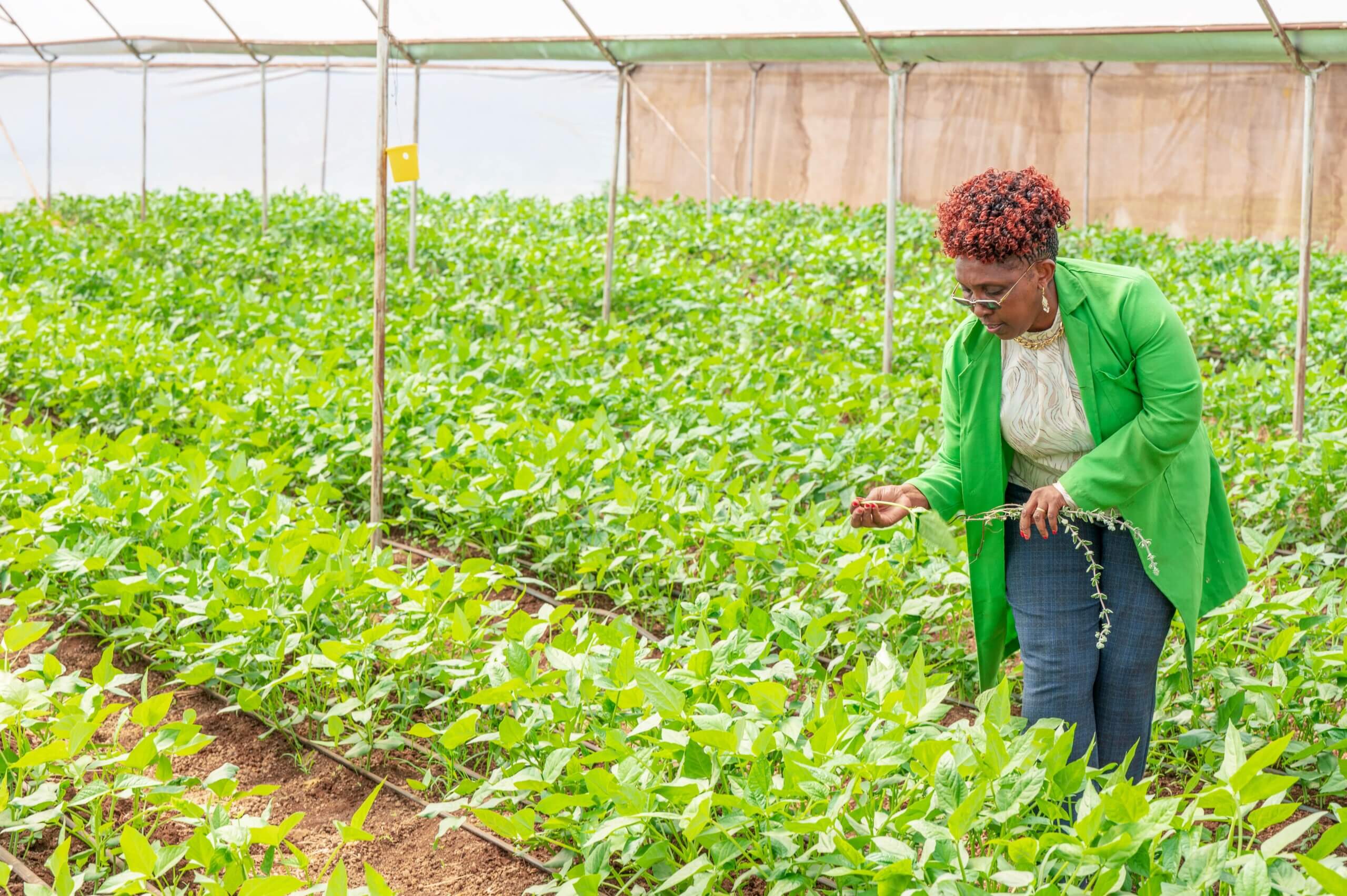
Our programming is guided by a set of internal Quality Standards for Economic Empowerment, taking a data-driven approach and ensuring meaningful participation of people with disabilities at all levels of programme design and delivery.
Our approach is underlined by four key principles:
- self-reliance
- environmental sustainability
- safe and equitable access
- partnerships.
We contribute to the goals of the UNCRPD and the SDGs through three main intervention strategies: providing disability inclusion advisory services to mainstream economic actors, targeted interventions to economically empower people with disabilities, and advocating for inclusive economic development.
Key priorities
- Inclusive entrepreneurship and access to finance
- Skills development and vocational training
- Inclusive employment and workforce transition
- Rural development and inclusive agricultural value chains
- Disability-inclusive policy, advocacy and research
Our unique approach
Our unique value lies in our ability to leverage a community-led process of co-creation where people with disabilities and Organisations of Persons with Disability (OPDs) shape the solutions from the ground up.
This enables us to blend grassroots implementation with systems-level influence, positioning disability inclusion in high-growth areas such as climate-smart livelihoods and financial inclusion.
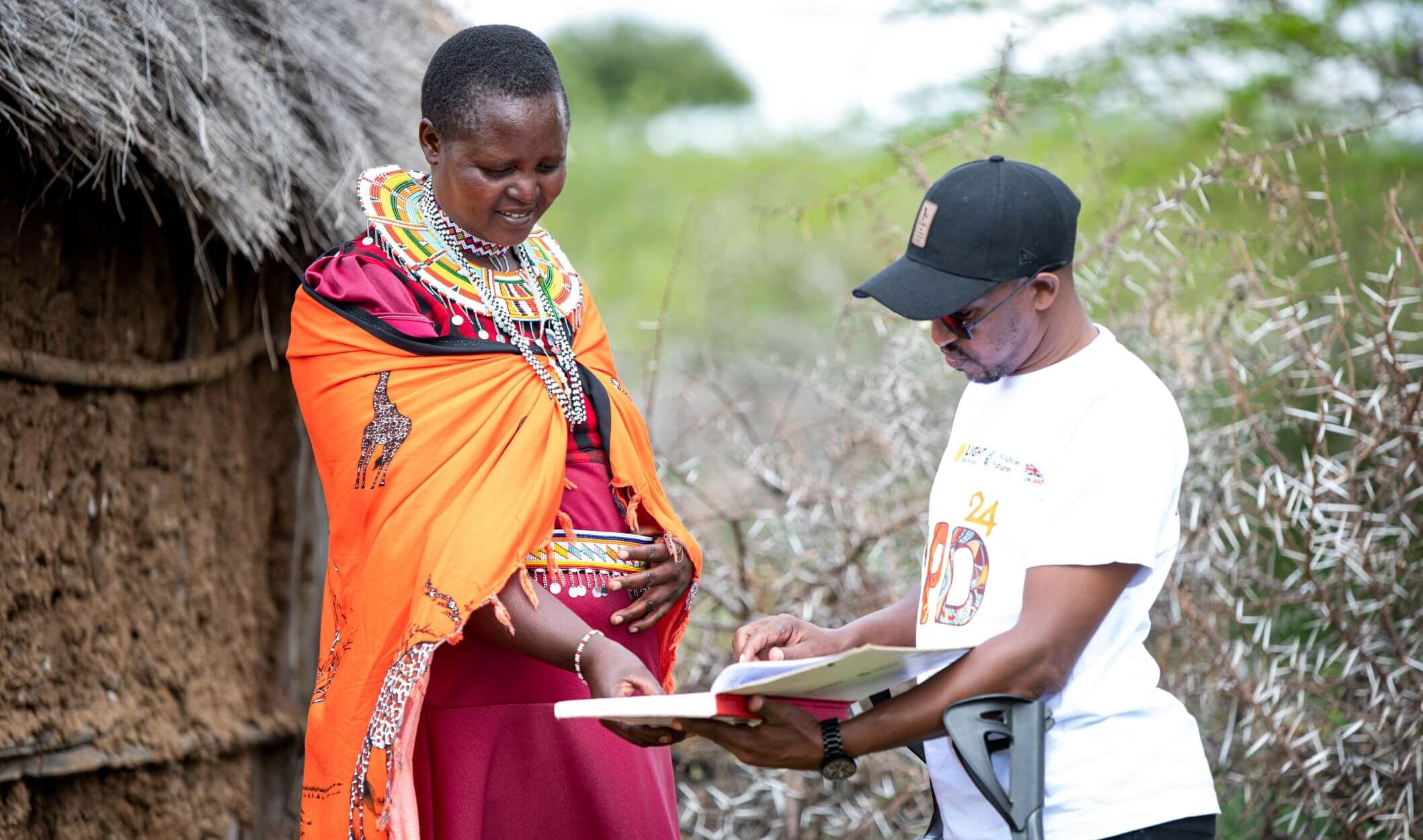
We apply a twin-track approach: supporting inclusive systems and institutions to remove structural barriers, while also equipping women, men, and youth with disabilities with the skills, tools, and opportunities to thrive within those systems.
The Disability Inclusion Facilitator (DIF) approach is a core model we apply across all the countries where we work. By 2025, we have trained DIFs in seven countries, where they are actively advancing inclusive practices and influencing policy reforms.
Main projects and impacts
| PROJECT | PARTNER/ DONOR | IMPACT |
| SPARK | International Fund for Agricultural Development, International Labour Organisation, Procasur | SPARK is a Disability Inclusive Rural Transformation programme impacting the lives of over 7,000 persons with disabilities by enabling full engagement in the economic activities of selected agricultural and pastoral value chains. |
| We Can Work | Mastercard Foundation, over 20 partners including The African Disability Forum, Crosswise Works, OPDs and Entrepreneurship hubs | We Can Work supports 1,000,000 young women and men with disabilities to access dignified and fulfilling work in 7 countries. |
| InBusiness | Humanity & Inclusion, Sense and United Disabled Persons of Kenya (UDPK) | InBusiness economically empowers people with disabilities through a twin-track approach targeting informal (self) employment and formal waged employment. |
| Disability Inclusive Development Programmes | Multiple | Light for the World was a consortium partner in the UK-funded Disability Inclusive Development programme. The programme aims to generate lessons learned on how to make development projects inclusive. |
| Crosscutting | Multiple | Our Economic Empowerment programmes reduce the impact of a crisis on the economic well-being of people with disabilities. |
From 2018-2022, we have:

30,581
people in 11 countries in 2022 reached

218
microentrepreneurs with disabilities linked to businesses

18,763
people supported, including 42% people with disabilities through SPARK
Our targets for 2030 include:
- Training 1 million people in life skills, entrepreneurship, and financial literacy across six countries.
- Supporting 1,000 disability-led organisations to champion the start or growth of small businesses.
- Equipping 100 formal and informal training institutions to deliver accessible, inclusive learning environments.
- Growing 40 employer networks in six countries committed to inclusive hiring practices.