Humanitarian Action
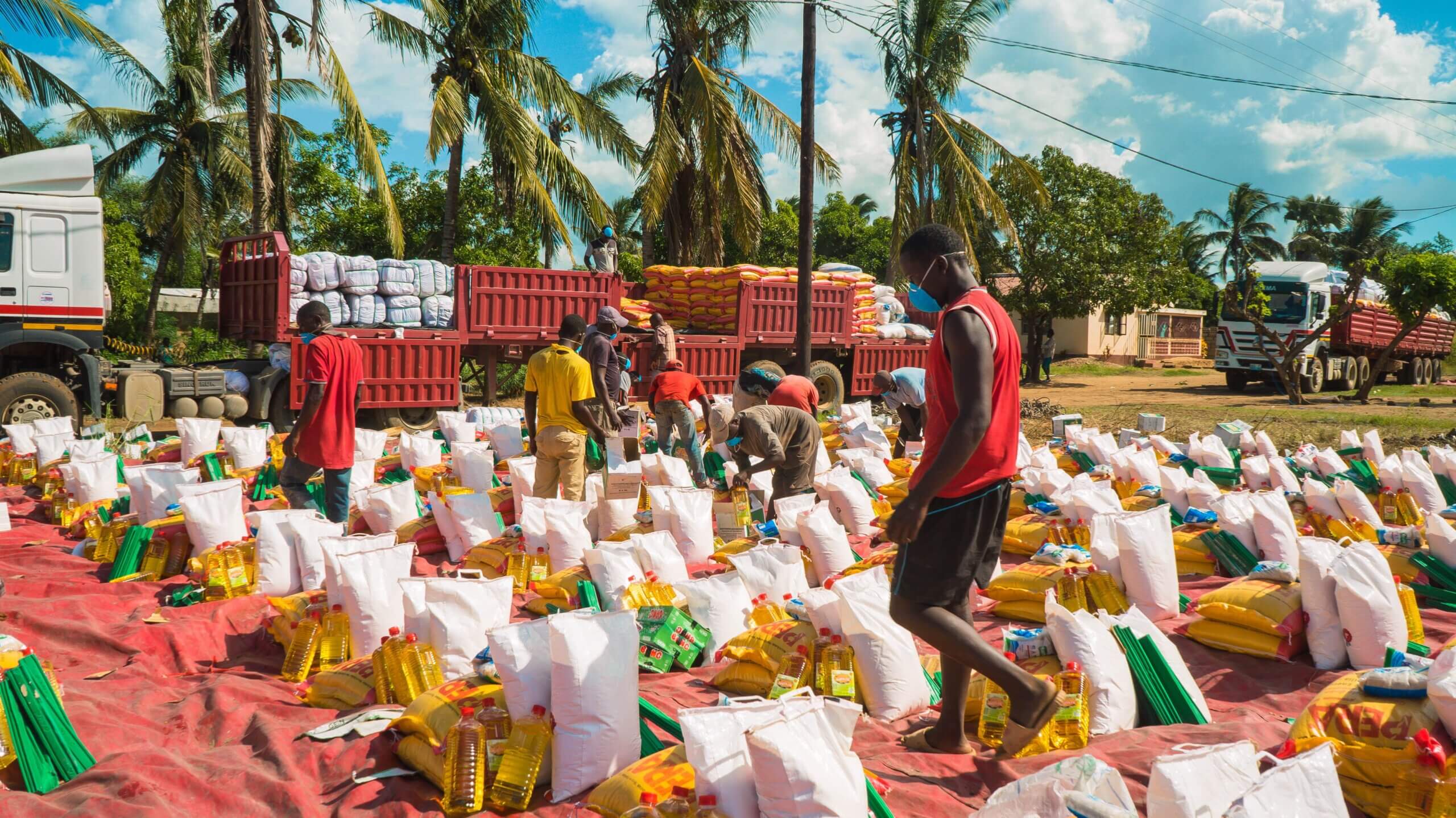
Light for the World ensures the rights, protection, and safety of people with disabilities in emergencies, including conflicts and natural disasters.
We focus on inclusive humanitarian action to address the disproportionate impact on people with disabilities.
Key priorities
- Targeted response in emergencies
- Technical support to humanitarian Actors
- Advocacy for inclusion
- Disability-inclusive data collection
- Empowerment of people with disabilities
Resources and tools
We provide a range of resources and tools to support inclusive humanitarian action, including:
- Research reports and analyses on disability inclusion in humanitarian contexts.
- Practical tools like the Disability Inclusion Score Card and Checklists on Inclusion.
- Comprehensive guidelines on disability-inclusive humanitarian action.
- Training and coaching for humanitarian actors through our Disability Inclusion Advisors and Facilitators.
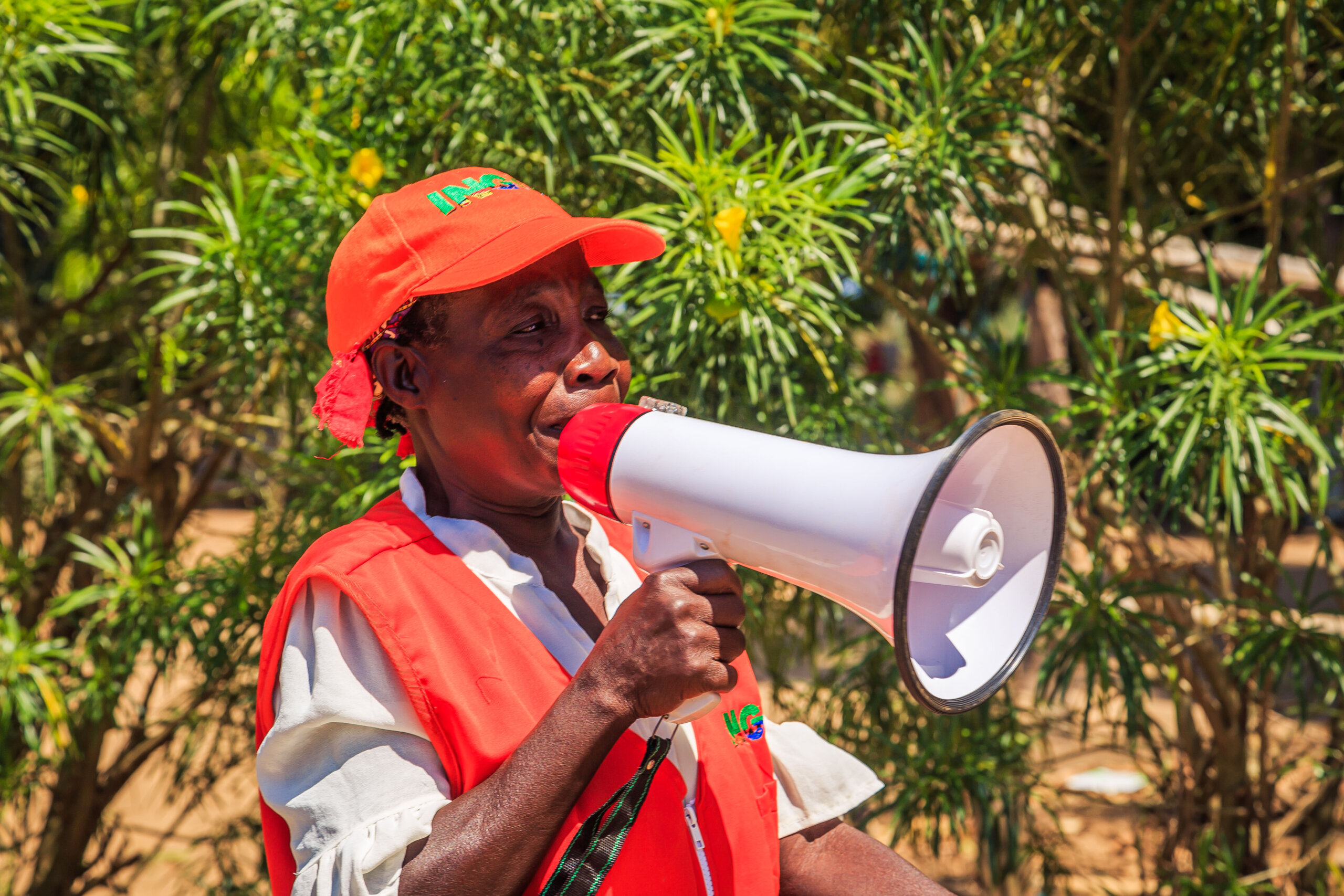
Our work in humanitarian action includes:
IMPACT-BF project in Burkina Faso: Providing expertise and support to make the humanitarian response more disability-inclusive.
Training and support: Training humanitarian actors and OPDs on disability inclusion and providing technical support.
Data collection and advocacy: Improving data collection methods and advocating for the inclusion of people with disabilities in national humanitarian response plans.
Our targets for 2030 include:
- Ensuring all humanitarian response plans in our focus countries intentionally include people with disabilities.
- Training 50 humanitarian actors and five OPDs on disability inclusion in humanitarian action.
- Launching and implementing disability-inclusive data tools in all our countries with a humanitarian focus.
- Sharing tools, data, and evidence on disability prevalence and barriers with humanitarian actors.
- Implementing an intersectional approach to disaster risk management in key countries and publishing learning documents.