- General
- Disability Rights
- Economic Empowerment
- Eye Health
- Humanitarian Action
- Inclusive Education
From championship-winning athletes to enterprising entrepreneurs, here are some of the year’s positive disability rights and eye health stories from Light for the World.
For many around the world, 2025 has been another year shaped by instability.
Conflicts, economic pressures and the accelerating climate crisis continued to affect people in lower-income countries — with people with disabilities among the hardest hit.
Yet despite these challenges, there is progress to celebrate.
This year, Light for the World worked with people with disabilities and eye conditions across Africa, including focus countries Burkina Faso, Ethiopia, Kenya, Mozambique, South Sudan and Uganda. We focused on advancing disability rights, inclusive education, economic empowerment, humanitarian inclusion and eye health.
“People with disabilities continue to face barriers that are heightened by conflict, the climate crisis and political uncertainty,” says Marion Lieser, CEO at Light for the World International.
“That is precisely why our work alongside our trusted partners remains so crucial. Together, in 2025 we have driven forward disability-inclusive systems change, expanded access to essential services and strengthened resilience in the communities we work with.
“We launched Policy Briefs on disability rights and eye health, and our Strategy 2030 is now clearly guiding our efforts, helping us focus on long-term, sustainable impact. We are proud to share some of the positive achievements from this year.”
Here are 14 good news stories from 2025.
1. South Sudan secure blind football championship
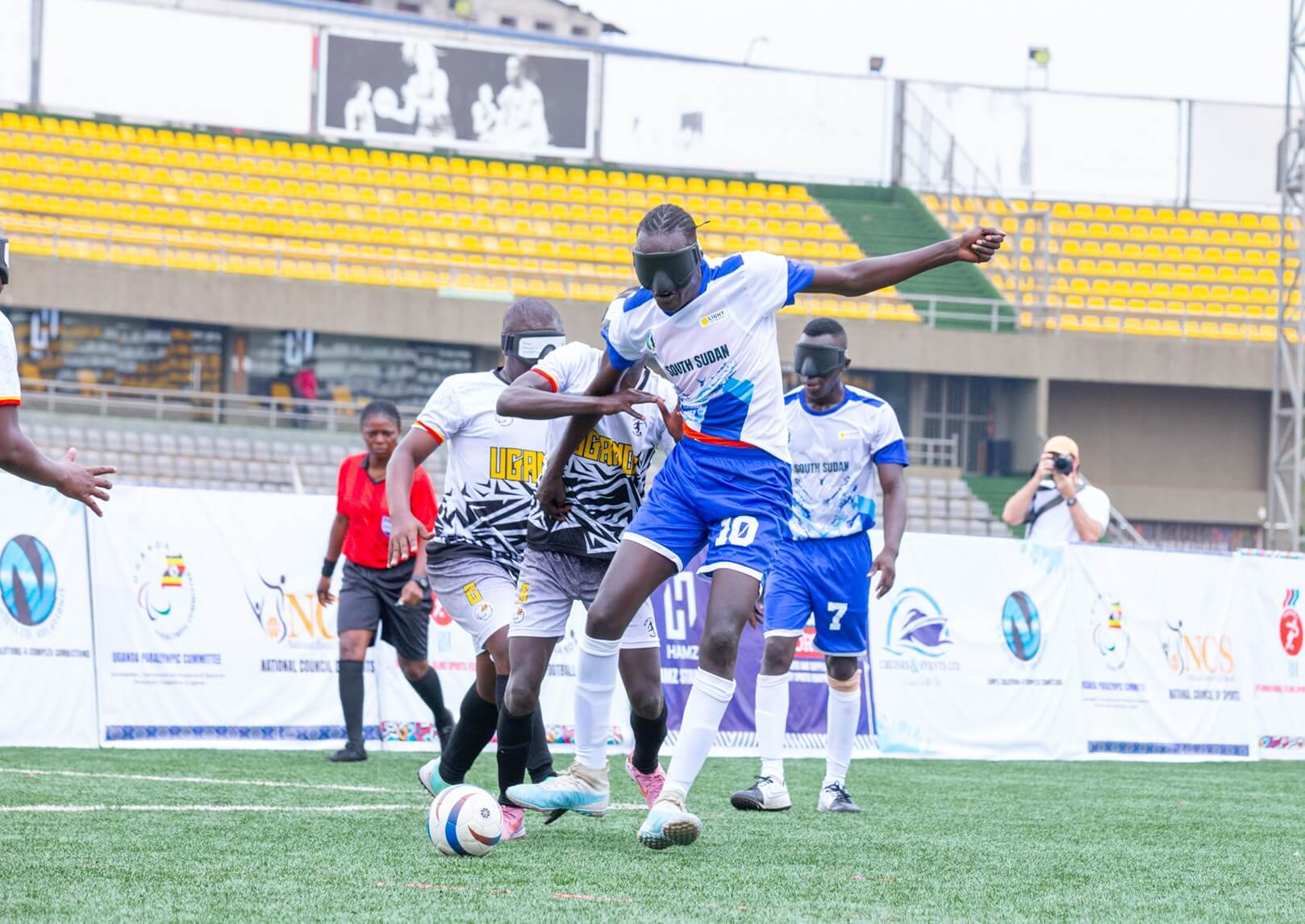
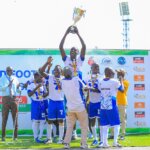
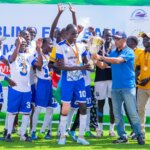
The South Sudan national blind football team secured an historic African championship success on their international debut.
Blind football only started in South Sudan five years ago, but the team won the African Championship Division 2 after defeating hosts Uganda and the Zimbabwe national team. They will play in Division 1 next year, with a chance to reach the 2028 Paralympic Games in Los Angeles.
2. Pioneering paediatric ophthalmologists
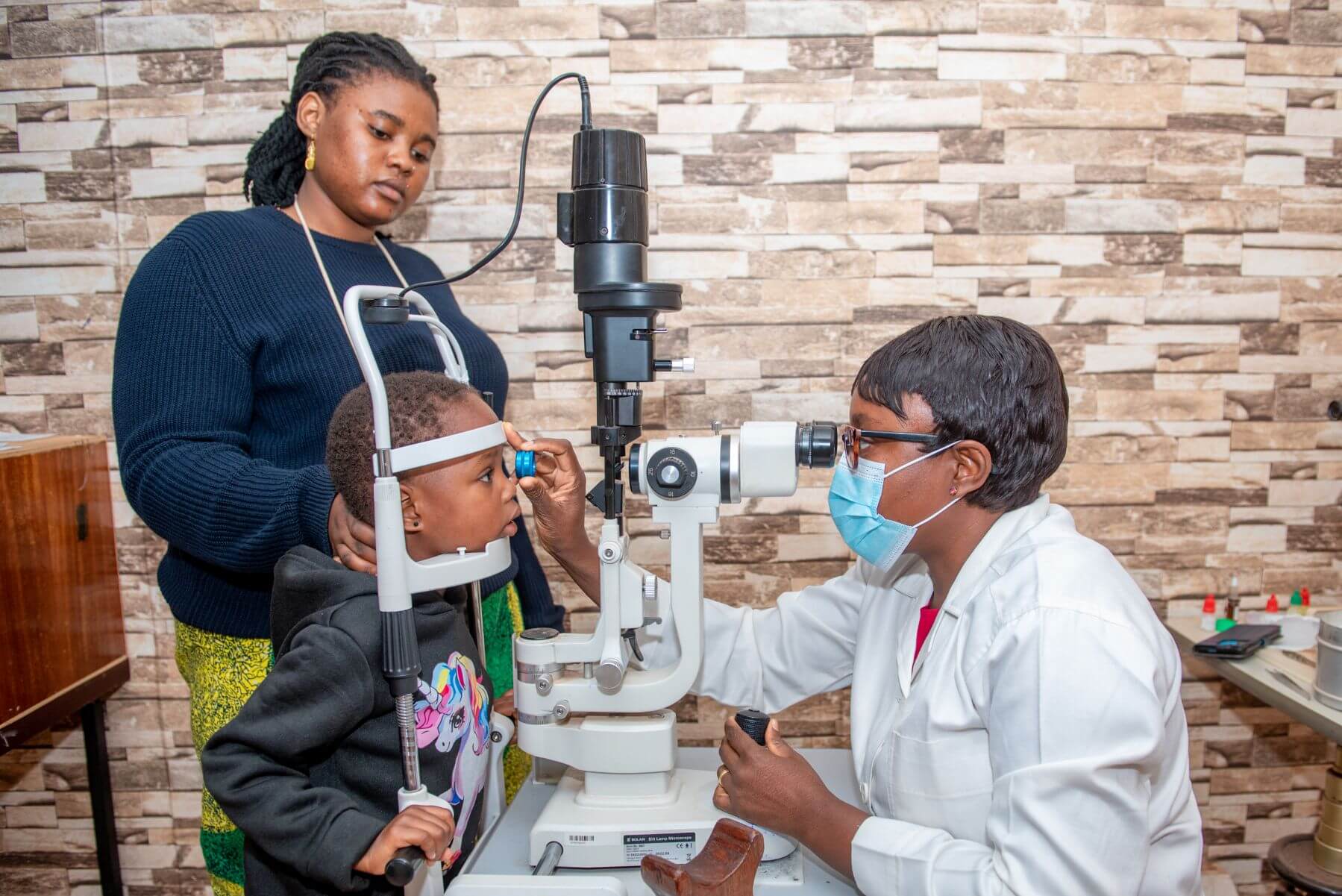
We spotlighted four pioneering paediatric ophthalmologists in Burkina Faso, Ethiopia, Mozambique and Uganda to mark World Sight Day with partners including IAPB.
Dr Claudette Yaméogo, in Burkina Faso, Dr Dagmawi Abebe, in Ethiopia, Dr Isaac Vasco da Gama, in Mozambique, and Dr Rebecca Lusobya, in Uganda, are trailblazers leading the drive to save children’s eyesight.
The paediatric ophthalmologists were trained under our pioneering “1, 2, 3 I can see!” child eye health programme, which has already reached more than 500,000 children.
3. A new tool for emergency disability data
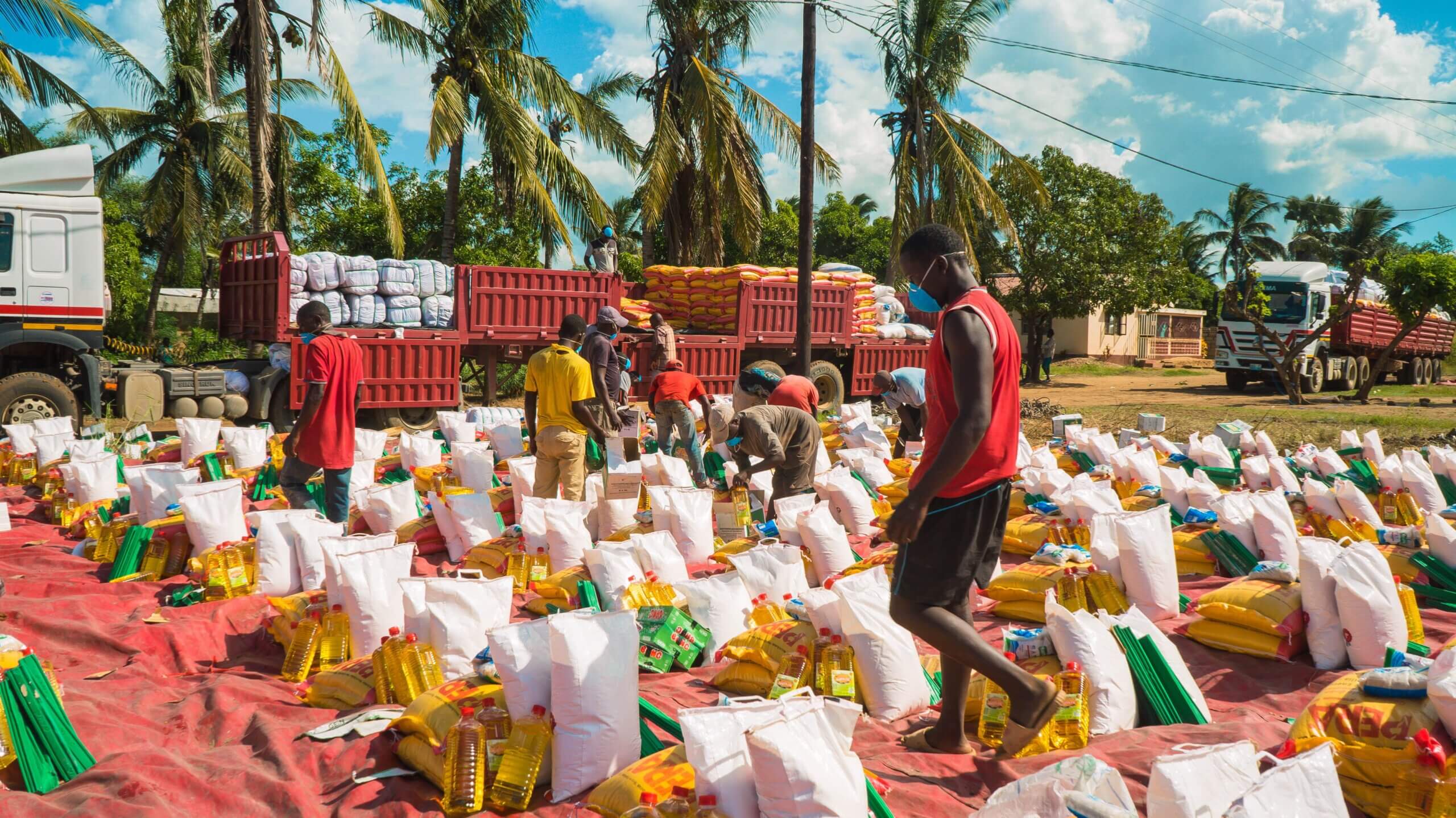
The first fully inclusive data collection tool for emergencies was revealed to close the disability data gap and ensure people with disabilities are included in emergency response and planning.
The Survey for Inclusive Rapid Assessment (SIRA) is an open-source, screen-reader-accessible tool that helps aid workers gather data so emergency responses reach people who would otherwise be missed.
The SIRA tool was developed by Light for the World in partnership with Mozambican OPD FAMOD under the Data That Matters project. Data collected in Cabo Delgado has already informed the Mozambican humanitarian response plan.
4. Proud to partner
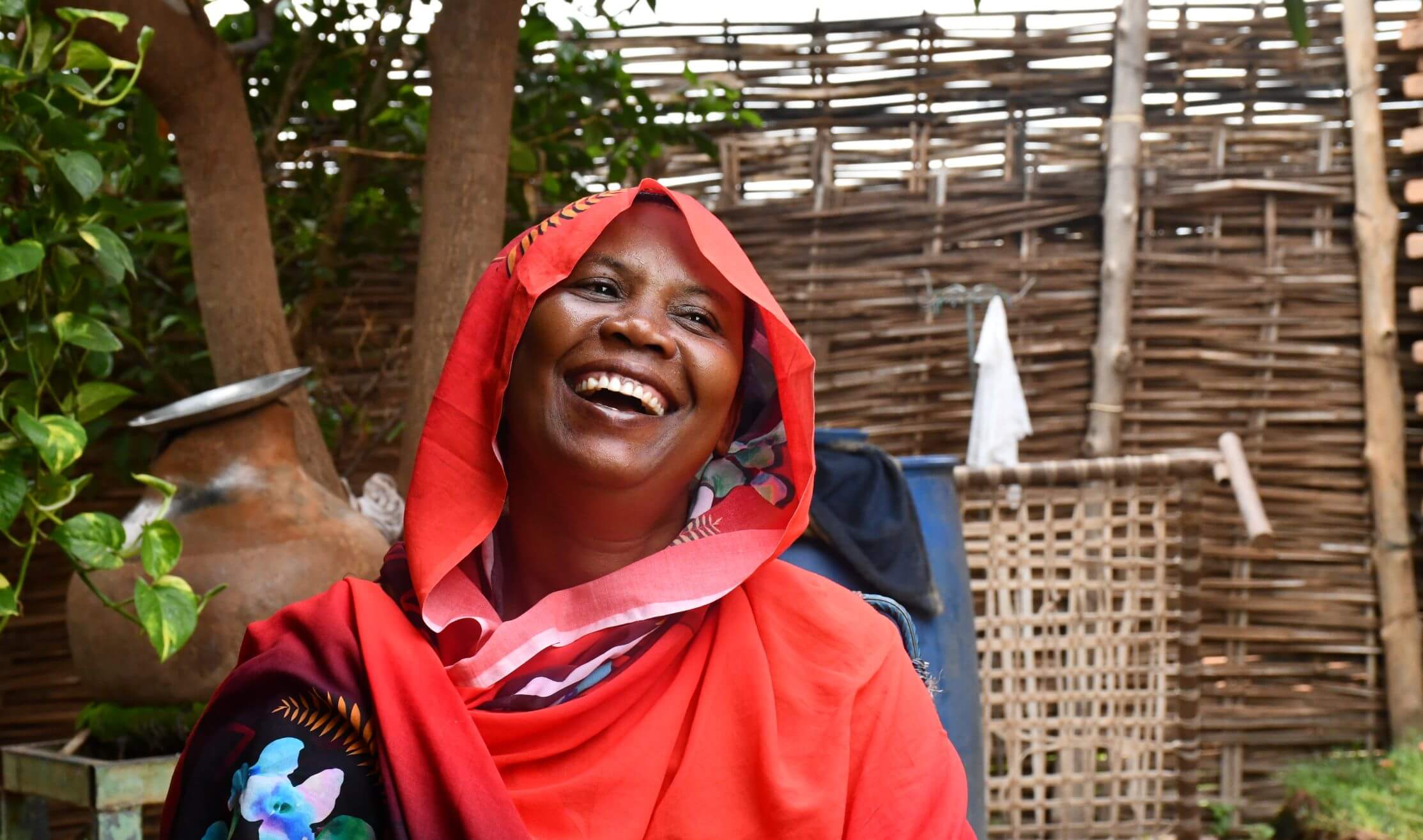
In 2025, we strengthened existing partnerships and started new collaborations to spark positive disability rights and eye health impact.
In Burkina Faso, we launched a project with Sightsavers to boost eye health in Cascades region, funded by L’Occitane Foundation. While in Mozambique, we again partnered with RED NOSES International to promote gender equity and disability inclusion in Sofala Province.
In Ethiopia, we launched a two-year project to strengthen livelihoods and build resilience in the Sidama Region as part of International Partnerships Austria. The Inclusive Futures programme came to a successful end in Kenya — having supported more than 1,700 micro-entrepreneurs with disabilities.
The five-year We Are Able programme also concluded in South Sudan and Uganda with a legacy of supporting advocacy efforts of Organisations of Persons with Disabilities (OPDs) and influencing policies, particularly in food security.
Light for the World played an important role in global disability rights and eye health initiatives, including joining the WHO Disability Health Equity Network.
5. International media amplify disability rights and eye health
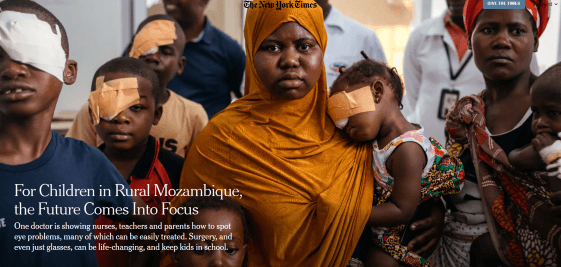
Light for the World’s projects featured in international media, including The New York Times, AFP, Associated Press, Radio France Internationale and Reuters, bringing crucial attention to disability rights and eye health.
Our work was also covered by prominent outlets in the countries where we work, including Ethiopia Broadcasting Corporation, Eye Radio (South Sudan) and Daily Monitor (Uganda).
We saw significant growth on our own channels, with followers on LinkedIn growing more than 50%, to 17,750.
6. Global Disability Summit
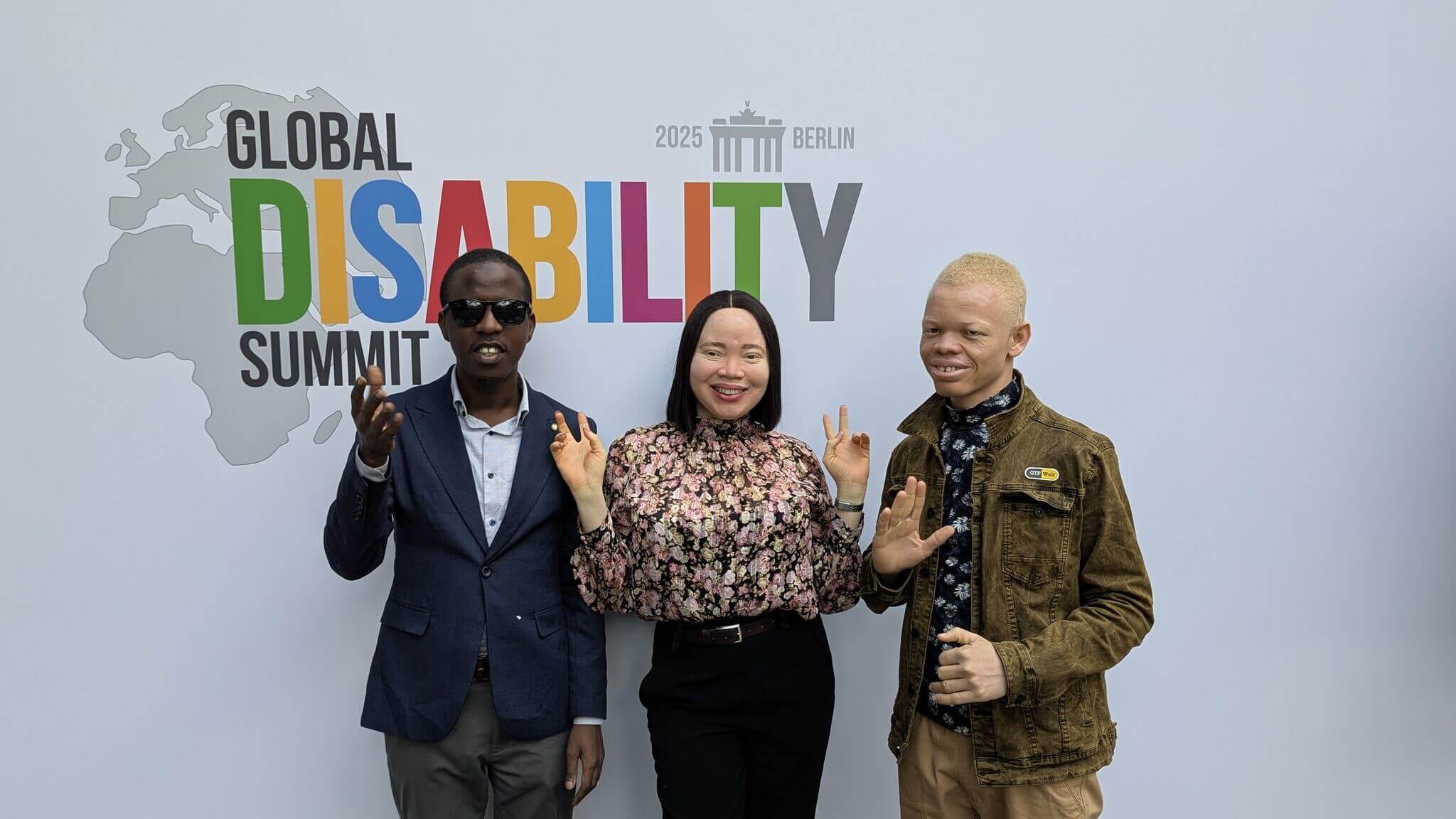
We advocated for disability rights alongside more than 4,700 experts and activists at the Global Disability Summit.
As well as sharing our commitments — from inclusive eye health services to meaningful engagement of OPDs — we supported three young changemakers to share a key message: young people with disabilities can work.
Emmanuel Izere, Elizabeth Adams and Suhuyini Sulemana Seidu led the fireside chat, organised by Light for the World with African Disability Forum and Mastercard Foundation as part of the We Can Work programme.
7. Top tips for emerging entrepreneurs
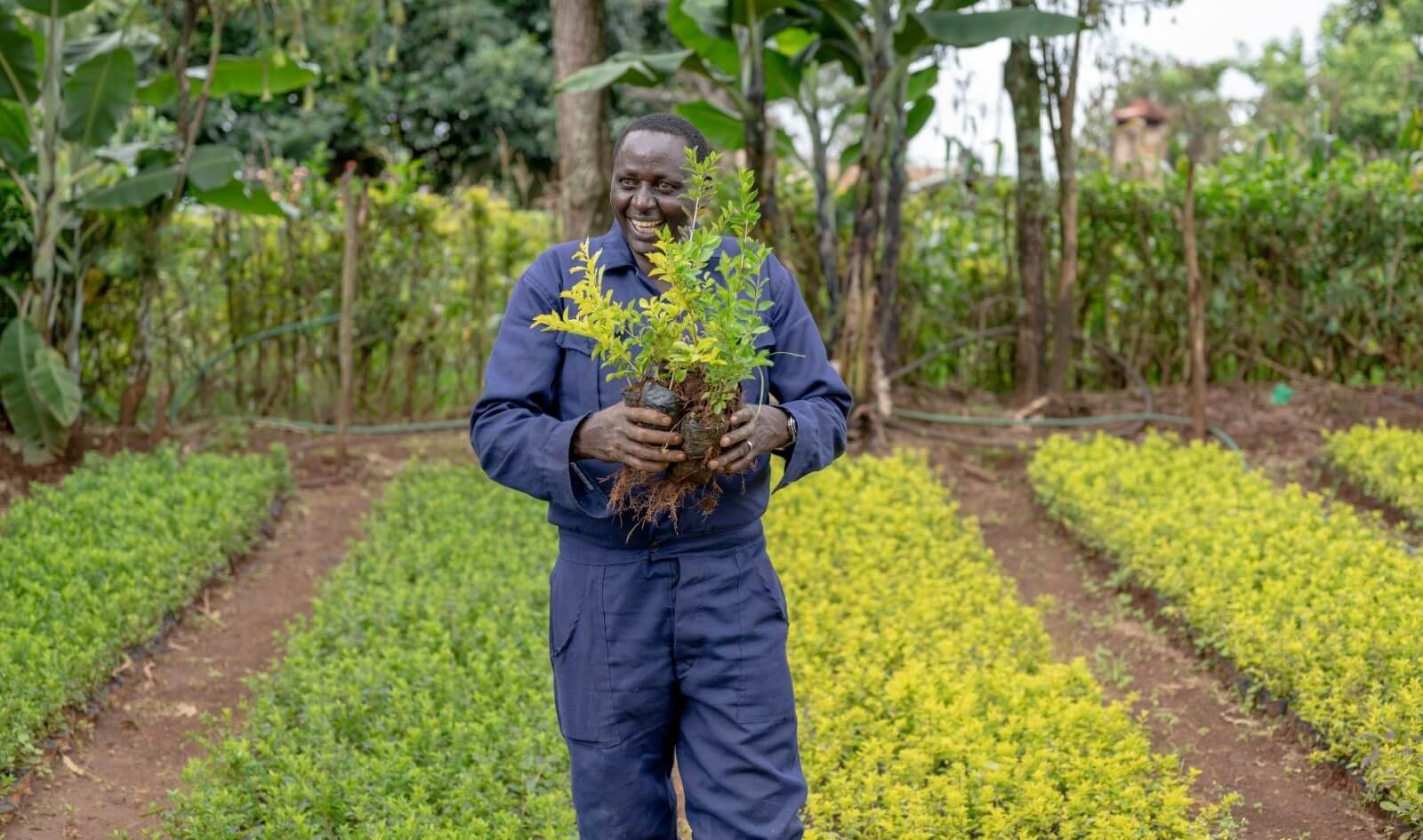
Across our economic empowerment programmes, we continued to provide skills training and opportunities for entrepreneurs with disabilities.
Kenyan micro-entrepreneurs offered six practical tips on how to turn an idea into a thriving business. The tips, including from garage owner Anthony Maina, proved a big hit on social media.
Faustina Ning’a Cikanda, Senior Expert in Economic Empowerment at Light for the World, shared her own advice for building a sustainable enterprise. “When we design inclusive ecosystems that remove barriers, we enable powerful, community-rooted enterprises that deliver social and economic value where it’s needed most,” she said.
8. We launched our newsletter!
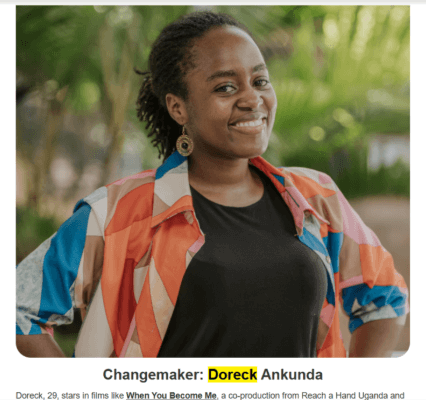
Light for the World launched our international newsletter to amplify stories from the people we work with.
In each newsletter — which will be released four times in 2026 — we share the story of someone doing extraordinary things to spark lasting change in disability rights and eye health. Our first issue spotlighted Doreck Ankunda — an award-winning actress and Deaf advocate from Uganda who uses the power of cinema to change minds about disability. Subscribe now.
9. Changemakers advocate for inclusion
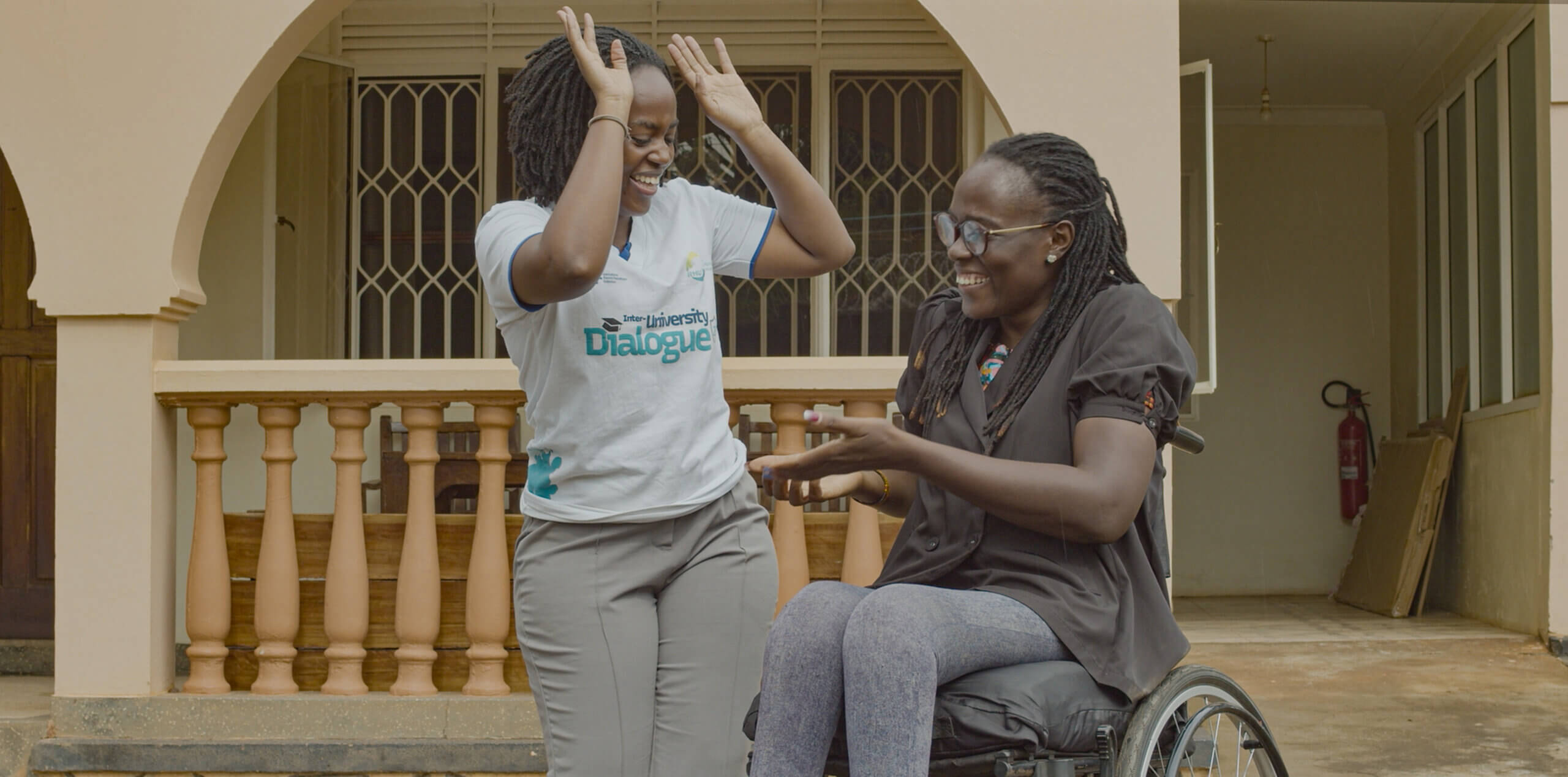
Our #CommitToInclusion campaign showcased the tips, insights and lived experiences on how to put inclusion into practice from three Disability Inclusion Facilitators from Uganda.
The campaign highlighted the unique DIF approach by passing the microphone to young agents of change.
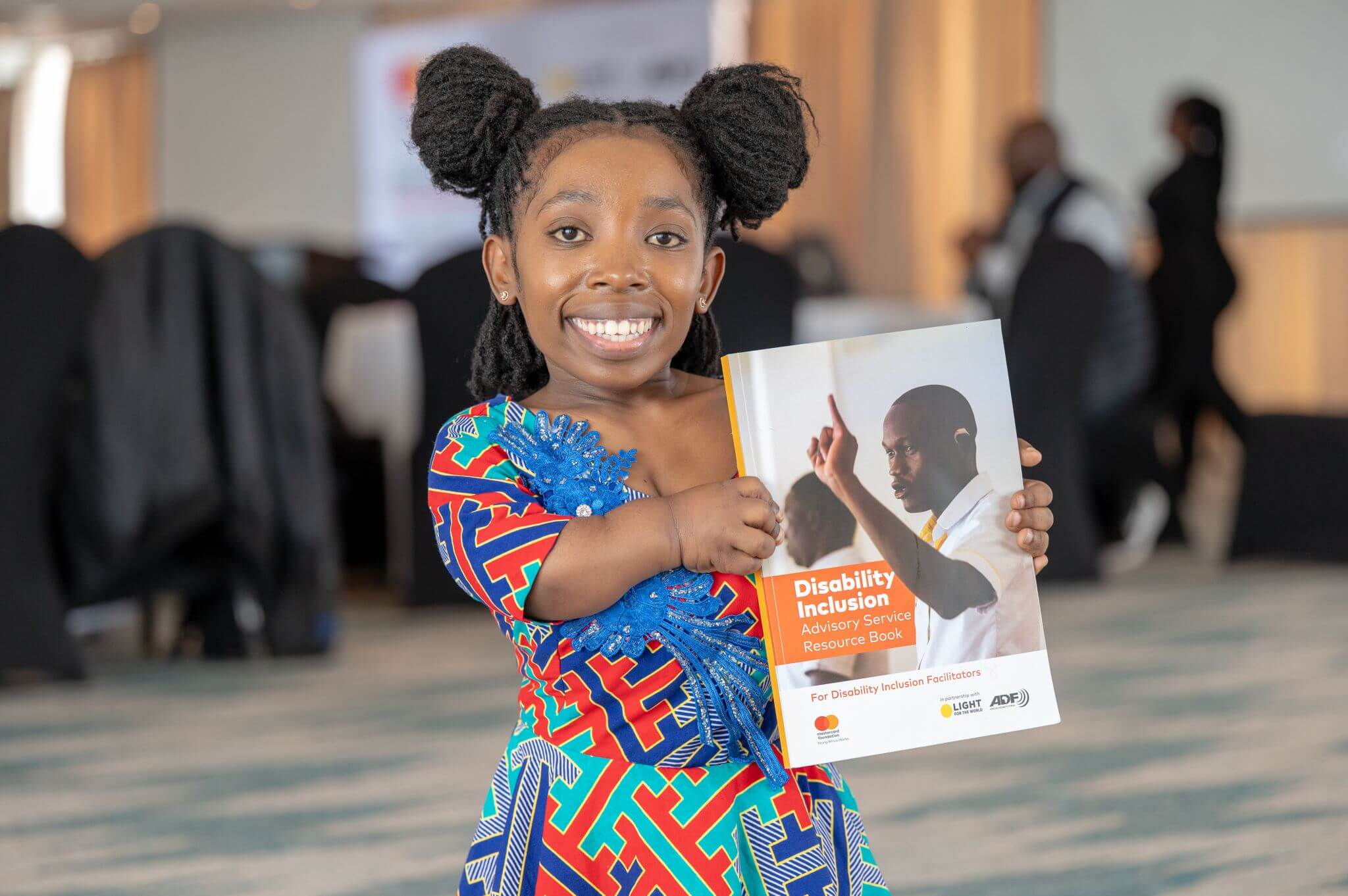
We continued to train young women and men with disabilities to become powerful inclusion advocates across all the countries where we work – from advocating for inclusive political participation to supporting people with disabilities in emergency responses.
Alice Mbere, a Trainee Disability Inclusion Facilitator from Kenya, had a powerful message: “I believe I’m the change!”
10. Driving inclusive humanitarian action
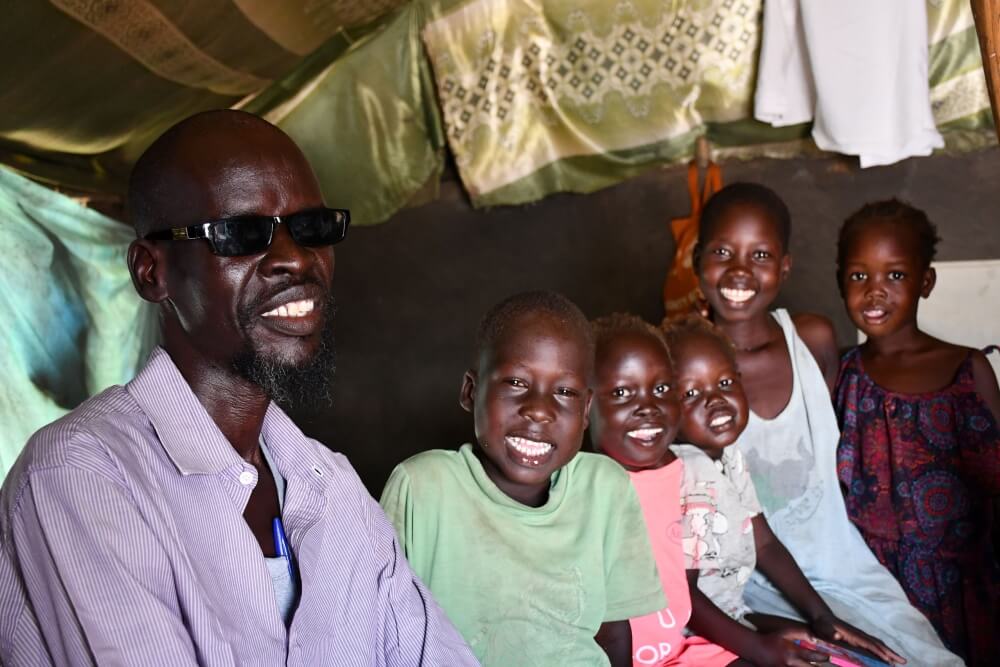
On World Refugee Day, we shared the story of David Liep to highlight the urgent and underreported challenges faced by refugees with disabilities.
David, a South Sudanese refugee returnee, fled the conflict in Sudan with his wife and three youngest children. As part of our work to make camps inclusive, Light for the World referred David to an eye clinic, while his wife, Kinith Makuem, received training to start a soap-making business.
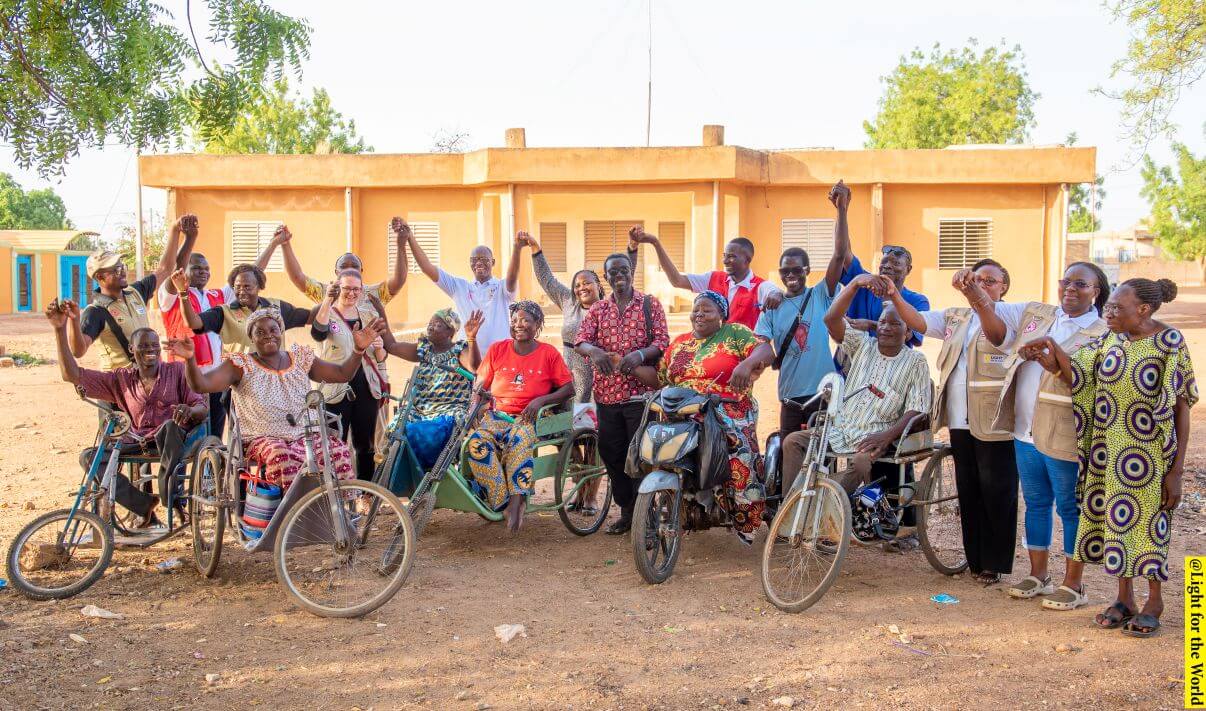
We also won a Zero Project award for the IMPACT-BF project. Part of International Partnerships Austria, IMPACT-BF is transforming humanitarian action for internally displaced people and vulnerable communities in Burkina Faso’s Centre-East region together with OPDs, local organisations and government representatives.
“This award affirms the strength of our collaborative approach – where people with disabilities help shape, monitor and lead solutions that leave no one behind,” says Etienne Bagré, Country Director of Light for the World Burkina Faso.
11. Equity in education
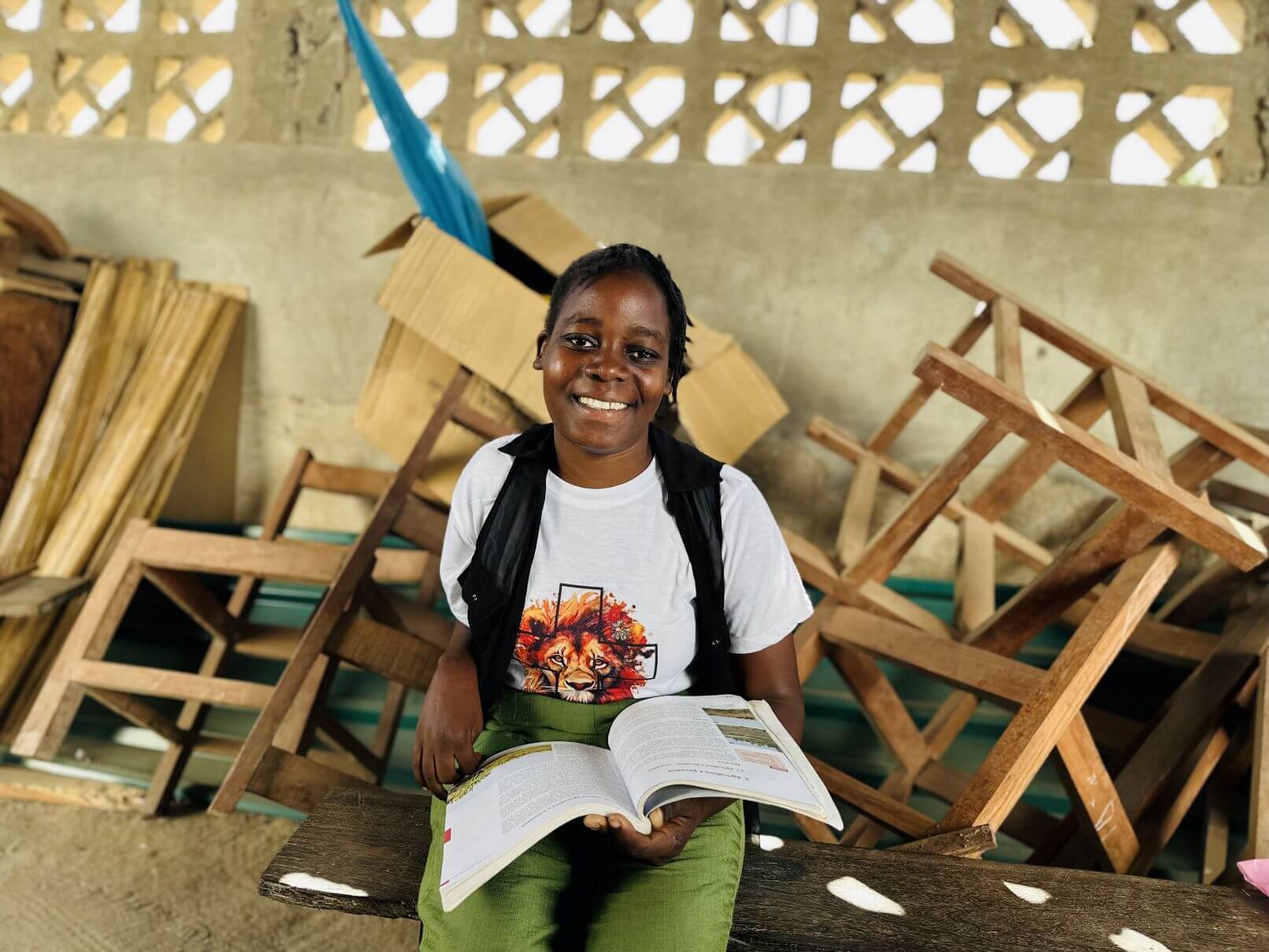
We collaborated with partners to ensure every child claimed their right to education in 2025.
In Mozambique, we worked with OPD ADEMO on the International Partnerships Austria-funded InPower programme to refer girls and boys with disabilities to the education system.
Wilsa Chitato Manuel, 20, returned to school to complete her high school studies.
“Today, I dream of becoming a geography teacher or radio presenter — I want to share knowledge and inspire other people like me,” she says.
In South Sudan, we supported the next generation of teachers to lead disability-inclusive classes under the Education Cannot Wait programme.
12. Transforming eye health
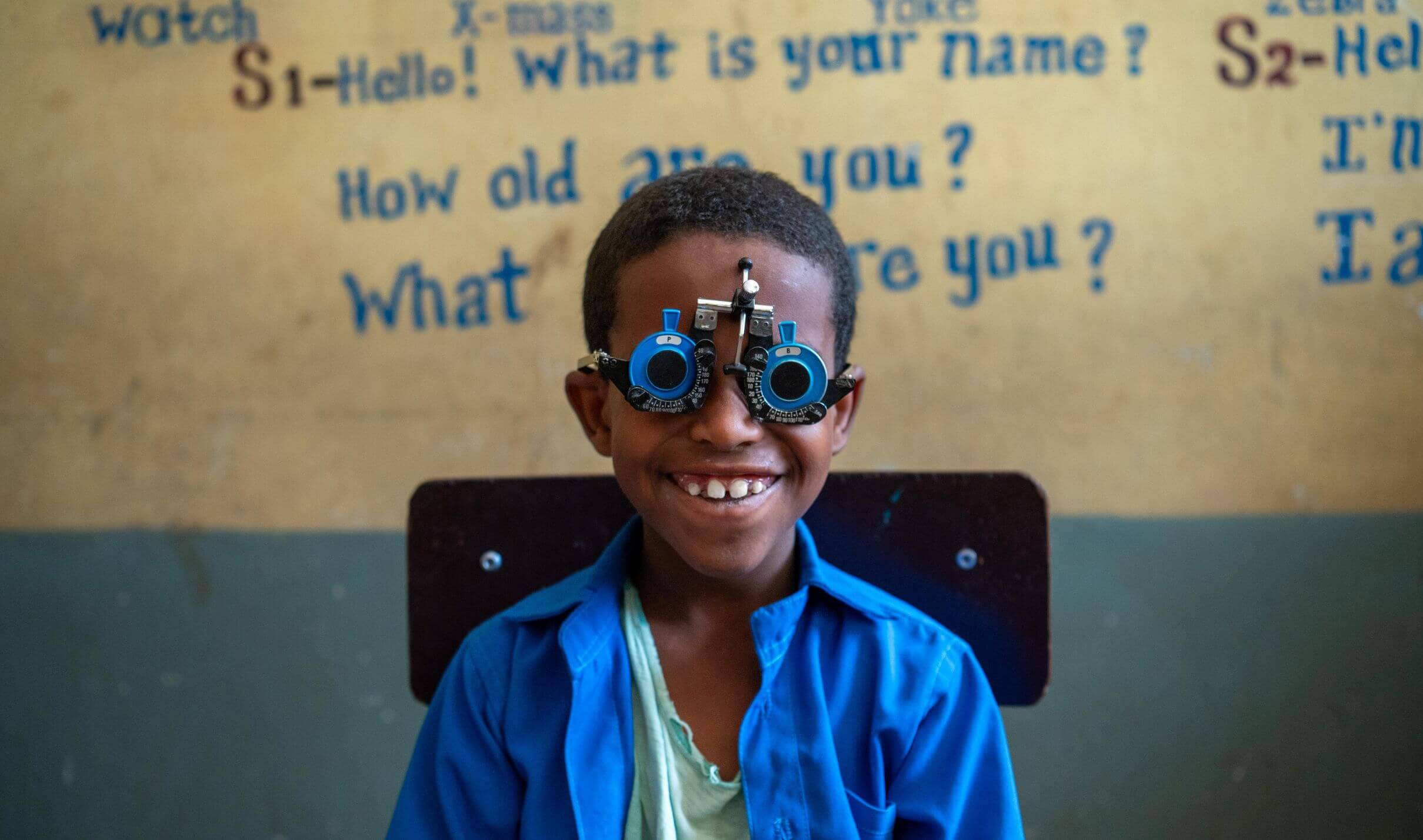
We continued to deliver accessible eye health services for children and adults, including those at risk of Neglected Tropical Diseases (NTDs).
In Ethiopia, we launched two new projects with Tigray Regional Health Bureau to support the elimination of trachoma in the country by 2030. The projects provide training for Trachomatous Trichiasis (TT) medical staff, mass trachoma screenings and house-to-house outreach.
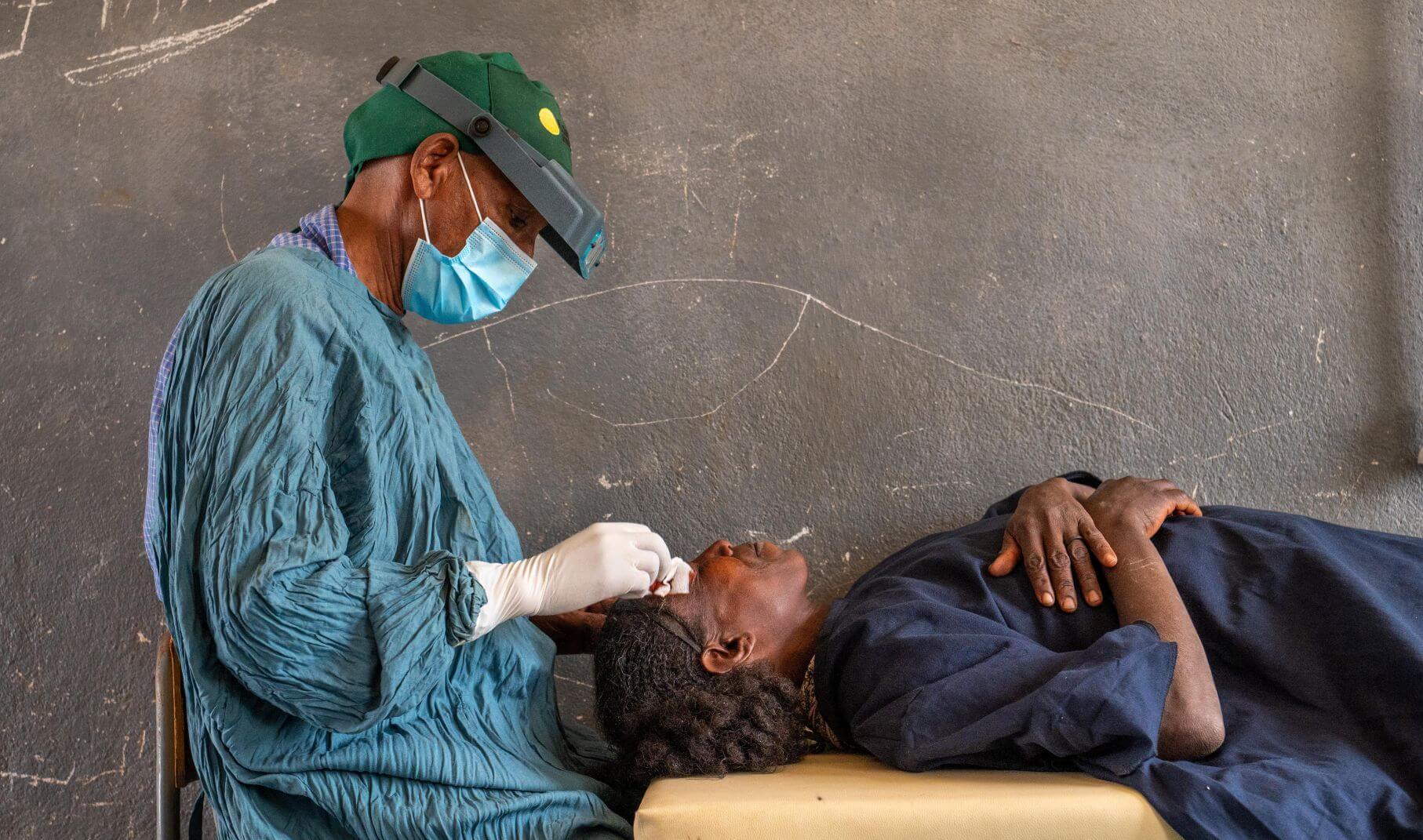
We also finalised plans with the Ethiopia Ministry of Health and other key stakeholders for Ethiopia’s Second National Eye Health Survey — a crucial step to track progress and address gaps.
Meanwhile, Light for the World teams from Uganda, Mozambique, Ethiopia, Burkina Faso and Austria, alongside partners from the Ministries of Health and Education, gathered to review progress and strategise for “1, 2, 3 I Can See!”.
13. Young storytellers shine
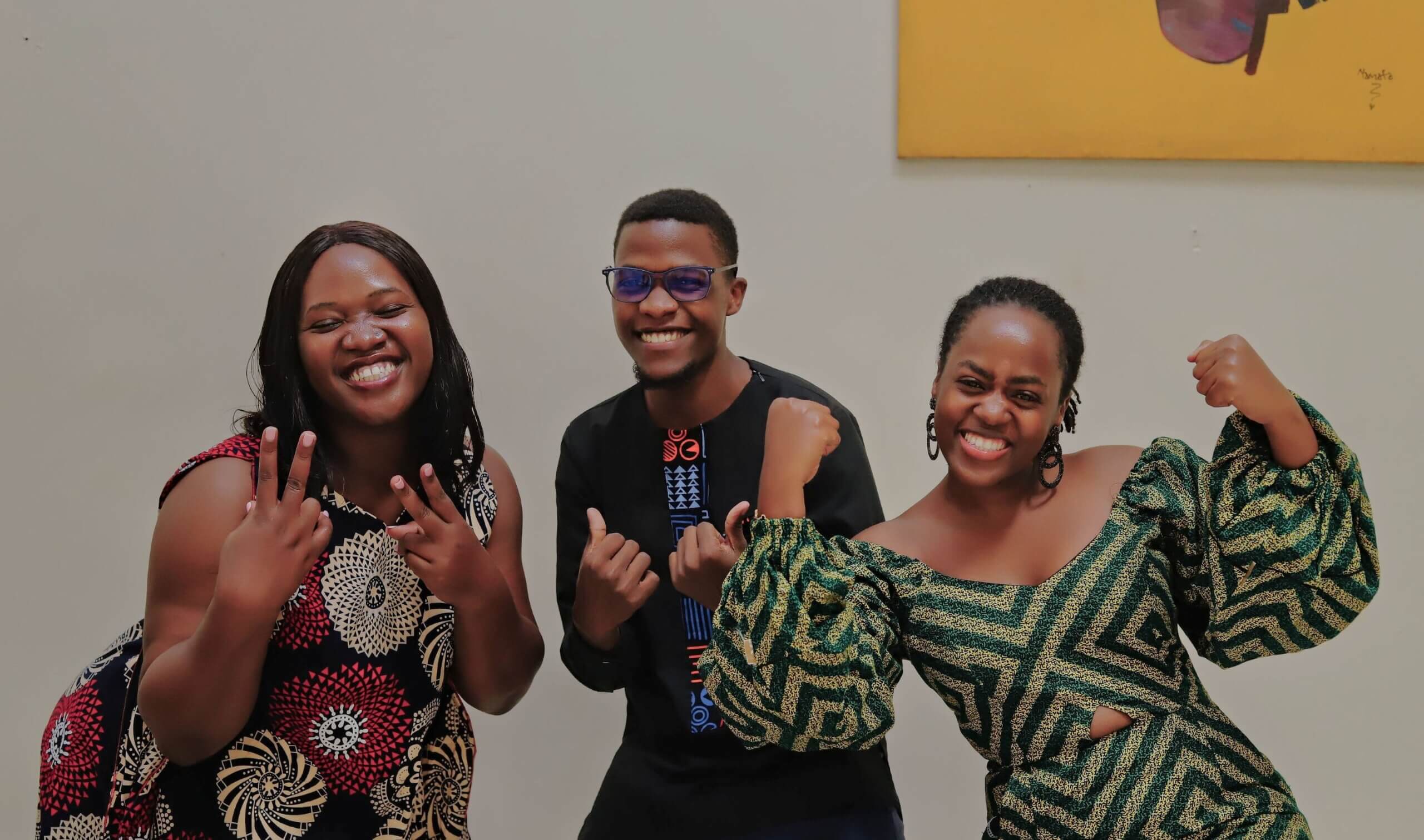
Young Africans with disabilities showcased their unique storytelling ability for the first-of-its-kind We Can Work Narrative Competition.
Hundreds of storytellers aged 18-35 from Ethiopia, Kenya, Uganda, Rwanda, Senegal, Ghana and Nigeria entered the competition, submitting everything from essays and art to films and photography.
Dr Rachael Kalinaki, a Ugandan doctor and advocate for inclusive healthcare, was named overall winner for her autobiographical essay, “From Can’t to Can: Shattering expectations as a Female Doctor with a Disability”.
14. Spotlight on expert colleagues
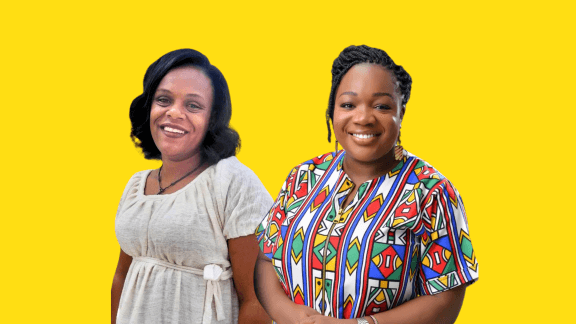
New experts joined Light for the World in 2025, while existing colleagues shared insights at international events.
Richard Mativu, a renowned disability rights advocate and experienced social development leader, joined Light for the World Kenya as Country Director. Dr Rediet Mesfin joined as Senior Expert in Inclusive Education and Faustina Ning’a Cikanda as Senior Expert in Economic Empowerment.
We engaged in expert networks to drive global momentum for disability rights and eye health. Elie Bagbila, Head of Advocacy, was re-elected to the Members of the Board of Directors of the International Disability and Development Consortium (IDDC) and Dr Geoffrey Wabulembo was elected to the IAPB Board.
David Ndung’u, Disability Inclusion Field Officer, joined Equinet, European Network of Equality Bodies, to share examples of inclusive climate action.
Faustina joined Ambrose Murangira, Senior Expert, Disability Inclusion and José Machanguana, Disability Inclusion Advisor, to share cutting-edge approaches in agricultural development with colleagues from the International Fund for Agricultural Development (IFAD).
And Wolfgang Gindorfer, our Thematic Director for Child Eye Health and Uncorrected Refractive Error, was recognised for his work to improve eye health in Uganda with a Lifetime Achievement Award at the Heroes in Health Awards.