- General
- News Wrap
June 2026 News Wrap — our work, successes and impact
Mass Drug Administration treats millions for trachoma in Ethiopia
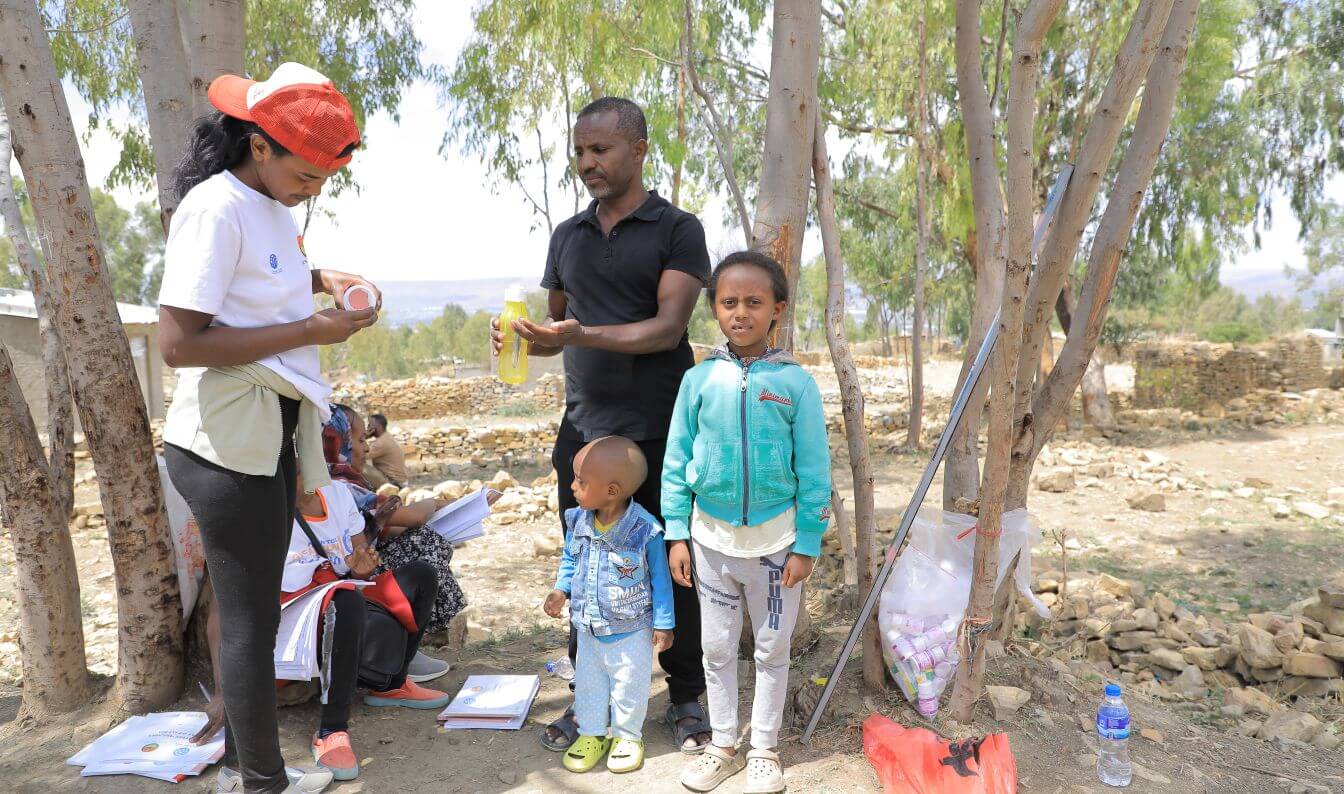
More than 2.6 million people have been protected from blindness caused by trachoma after a Mass Drug Administration (MDA) led by Light for the World and the Tigray Region Health Bureau.
Funded by The Task Force for Global Health, the MDA campaign took place from January to June, protecting communities in 41 districts spanning Mekelle, the Eastern Zone, Central Zone and Northwestern Zone.
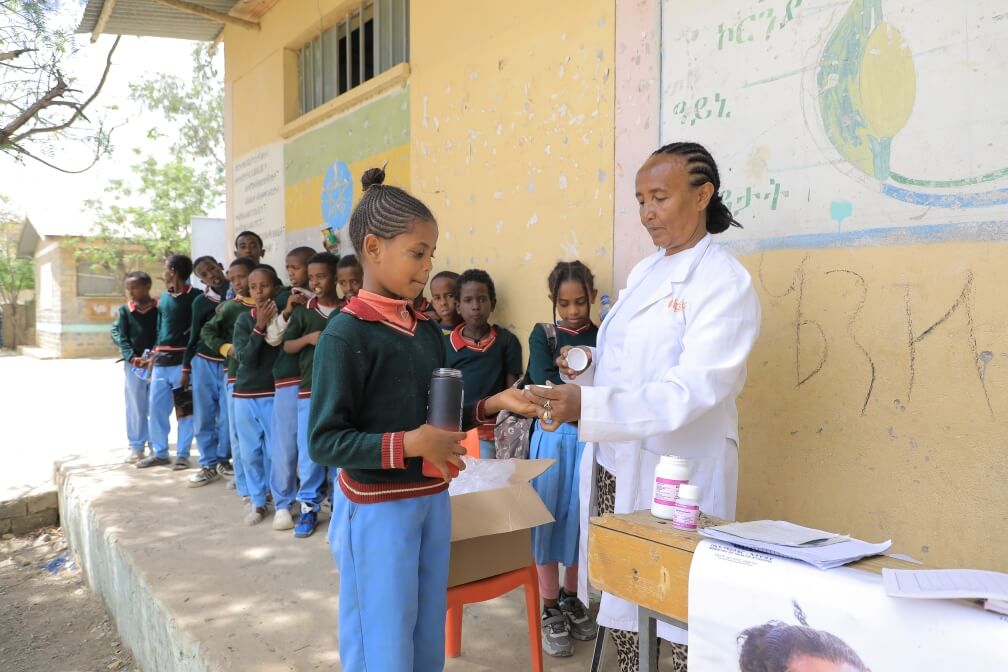
The campaign formed part of the SAFE strategy for eliminating trachoma, focusing on the “A” or antibiotics component, to treat active trachoma infections and reduce transmission within communities. By bringing medication directly to households and villages, the campaign ensured access to essential eye health services, including for people in remote areas.
The MDA is the latest effort in Light for the World’s mission, alongside partners, to work towards eliminating trachoma in Ethiopia by 2030.
Inclusive education milestone in Burkina Faso
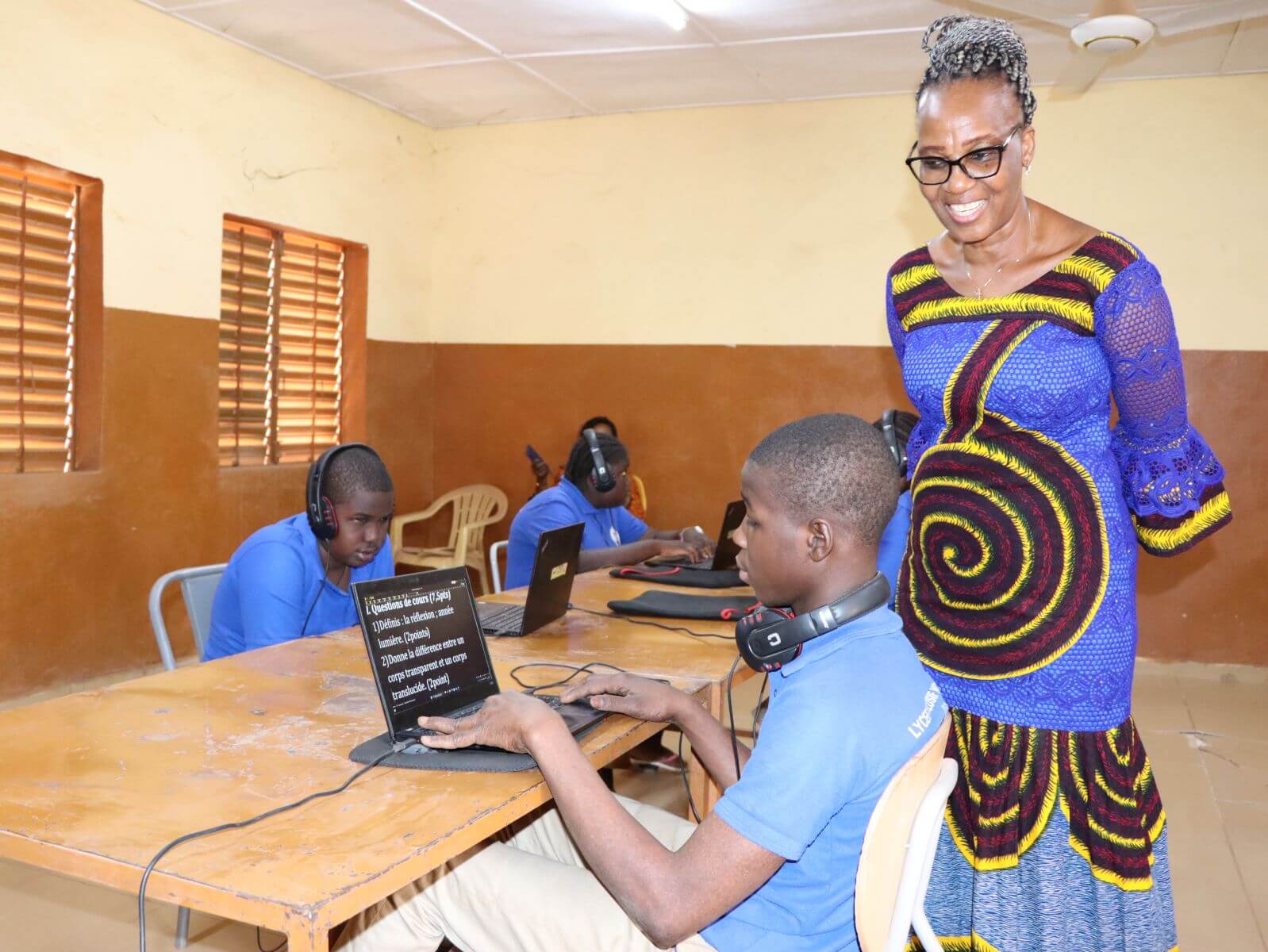
Students with visual impairments have sat accessible exams alongside sighted peers in a successful inclusive education trial in Burkina Faso.
The milestone came through Light for the World’s “Optimising Digital Learning” project, implemented with partner National Union of Burkinabe Associations for the Promotion of the Blind and Visually Impaired (UN-ABPAM).
The pilot, in schools across the country, saw 30 teachers trained to create accessible content and use accessibility tools, with 49 learners with visual impairments provided with laptops and 78 trained to use the numeric keypad.
An inclusive mock exam at Gounghin Co-ed High School, in Ouagadougou, proved accessible assessments are possible and can work at scale.
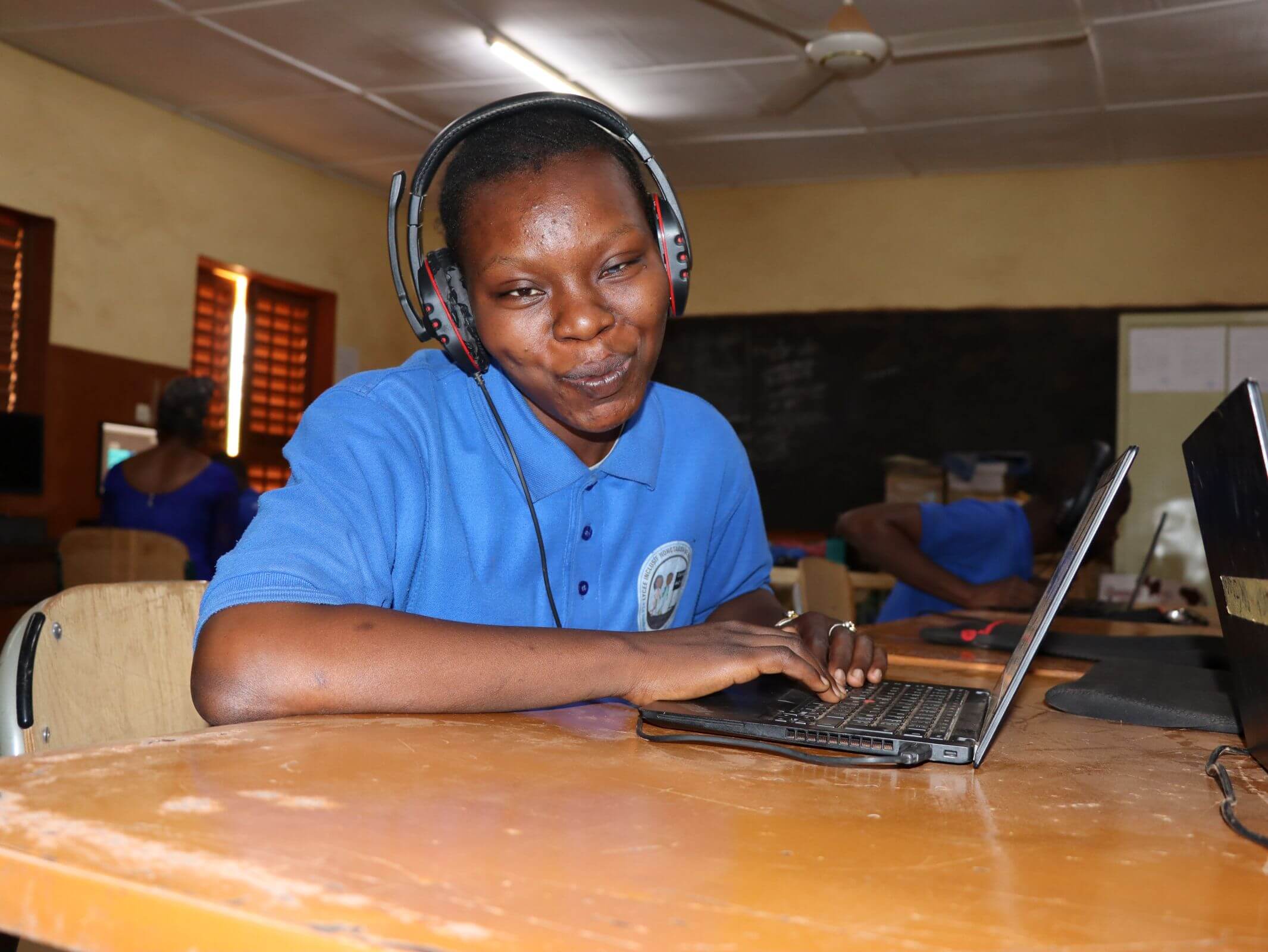
Léonel Kiendrébéogo, a student at Nongtaaba Inclusive High School, says using a computer has helped him complete work without relying on others.
“Before, I often depended on classmates to dictate notes or assignments to me. However, many students are not used to working with people with disabilities, and they may not always have the patience needed for braille writing, which can take more time,” he says.
“Using a computer has made studying much easier and faster. I can write at my own pace and work more independently. It makes me so happy and gives me a strong sense of independence.”
Children see bright future after eye surgeries in Mozambique
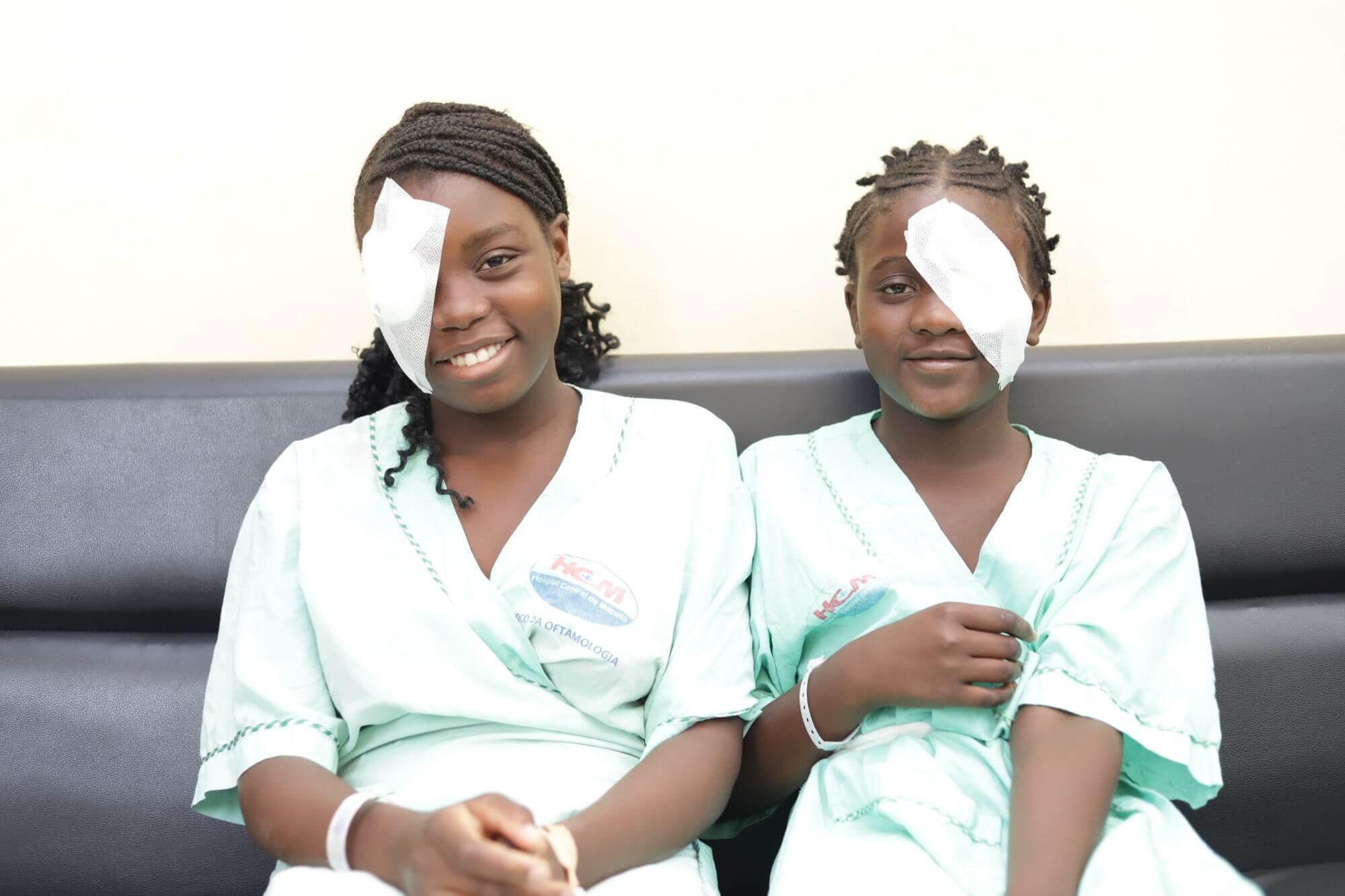
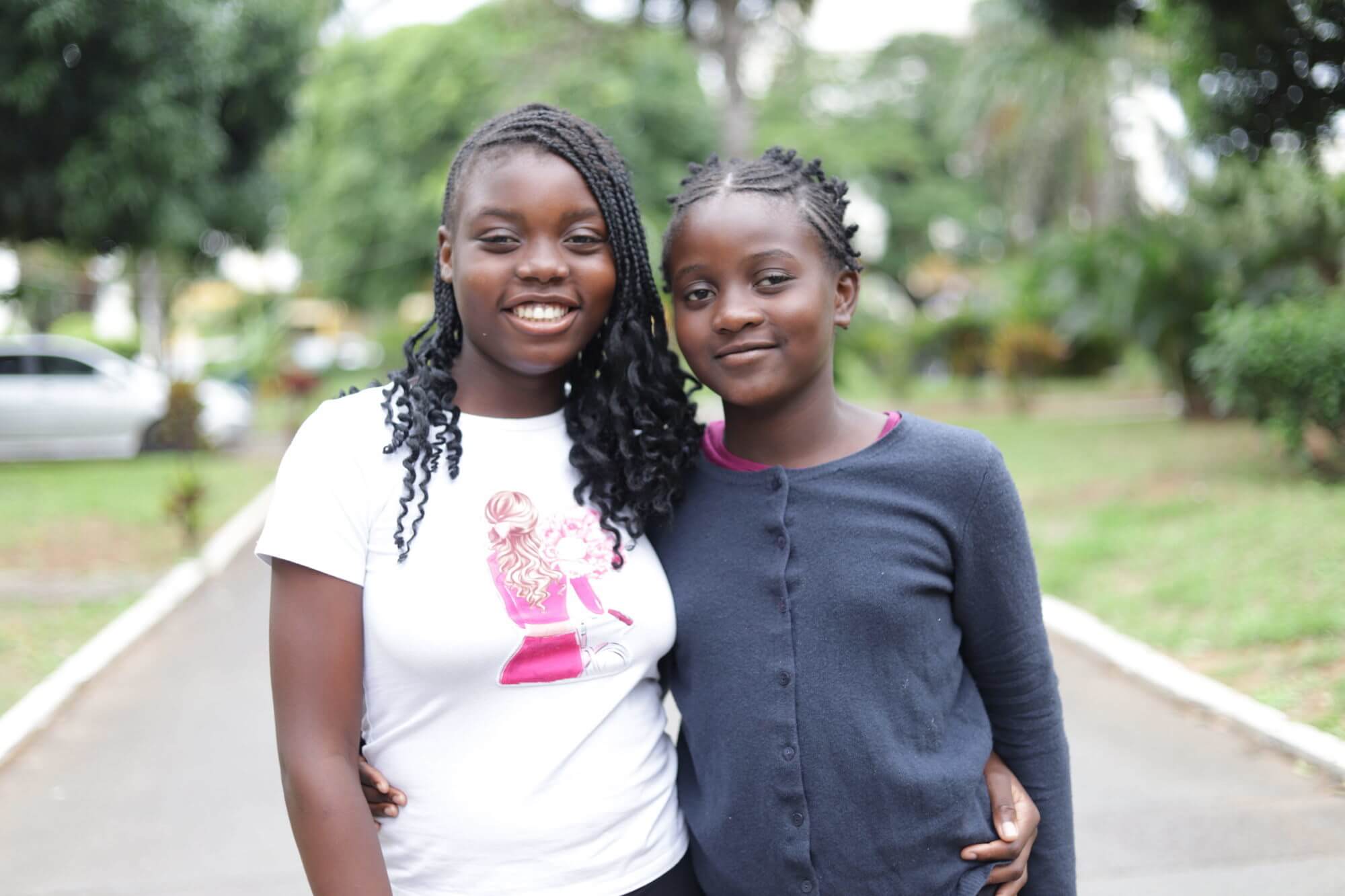
Luísa Macamo made it through four years and countless hospital trips before finally receiving the cataract surgery she needed.
The 13-year-old, initially diagnosed in 2022, recently had a successful operation at Maputo Central Hospital to restore sight in one of her eyes. The outreach was carried out through the “1, 2, 3 I can see!” child eye health programme led by Light for the World.
“I’ve already forgotten what it’s like to see with this eye. I can’t wait to see the result,” Luísa said before the surgery.
“I want to go back to studying better, playing and being able to do everything without difficulty.”
Leona Mondlane, 10, also received a life-changing cataract surgery.
“Because the doctor who took care of me helped me a lot, I want to help other children too,” Leona said.
“When I get older, I want to be an ophthalmologist to be able to help others the same way I was.”
The “1, 2, 3 I can see!” programme advocates for promotion of eye health in schools and works to reinforce healthcare systems, improving early detection and provision of quality eye care services for children.
Light for the World calls for systems change at Inclusive Africa Conference
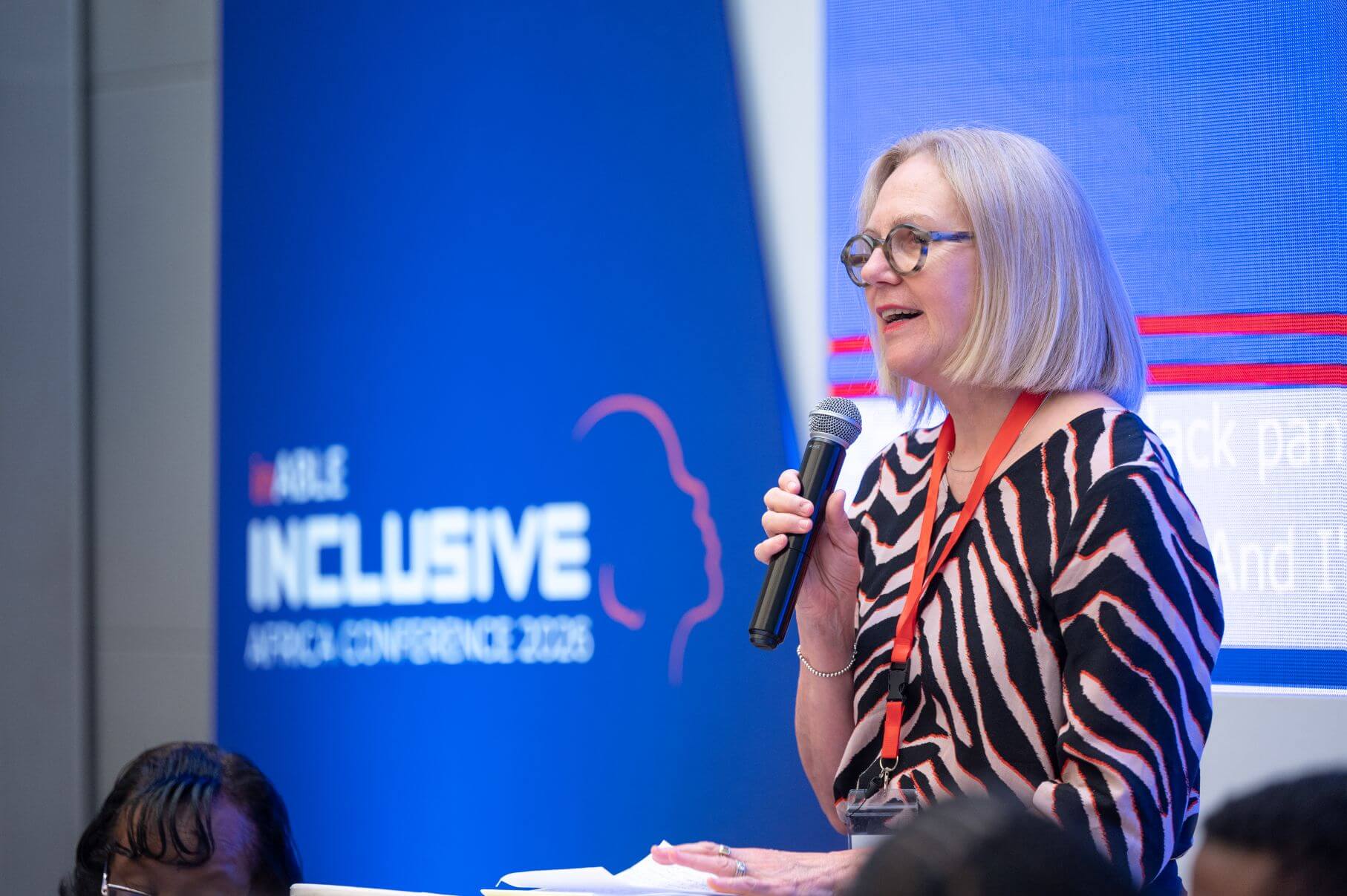
Light for the World experts have called for disability-inclusive employment efforts to focus less on individual skills and more on fixing broken systems.
Speaking at a roundtable at the Inclusive Africa Conference in Nairobi, CEO Marion Lieser said: “The skills gap is actually a systems gap. Work must be dignified, fulfilling and meaningful.”
Inclusive Employment Expert Iram Bahawal echoed this, noting that the real question is whether inclusion tools actually shape how organisations hire, support and develop talent.
Youth leader Isaac Muhumuza, from the We Can Work programme, called for people with disabilities to be involved in designing potential solutions from the start: “We need to recognise young people with disabilities as experts in their own right,” he said.
“When we design without them, the final product often does not fit their reality.”
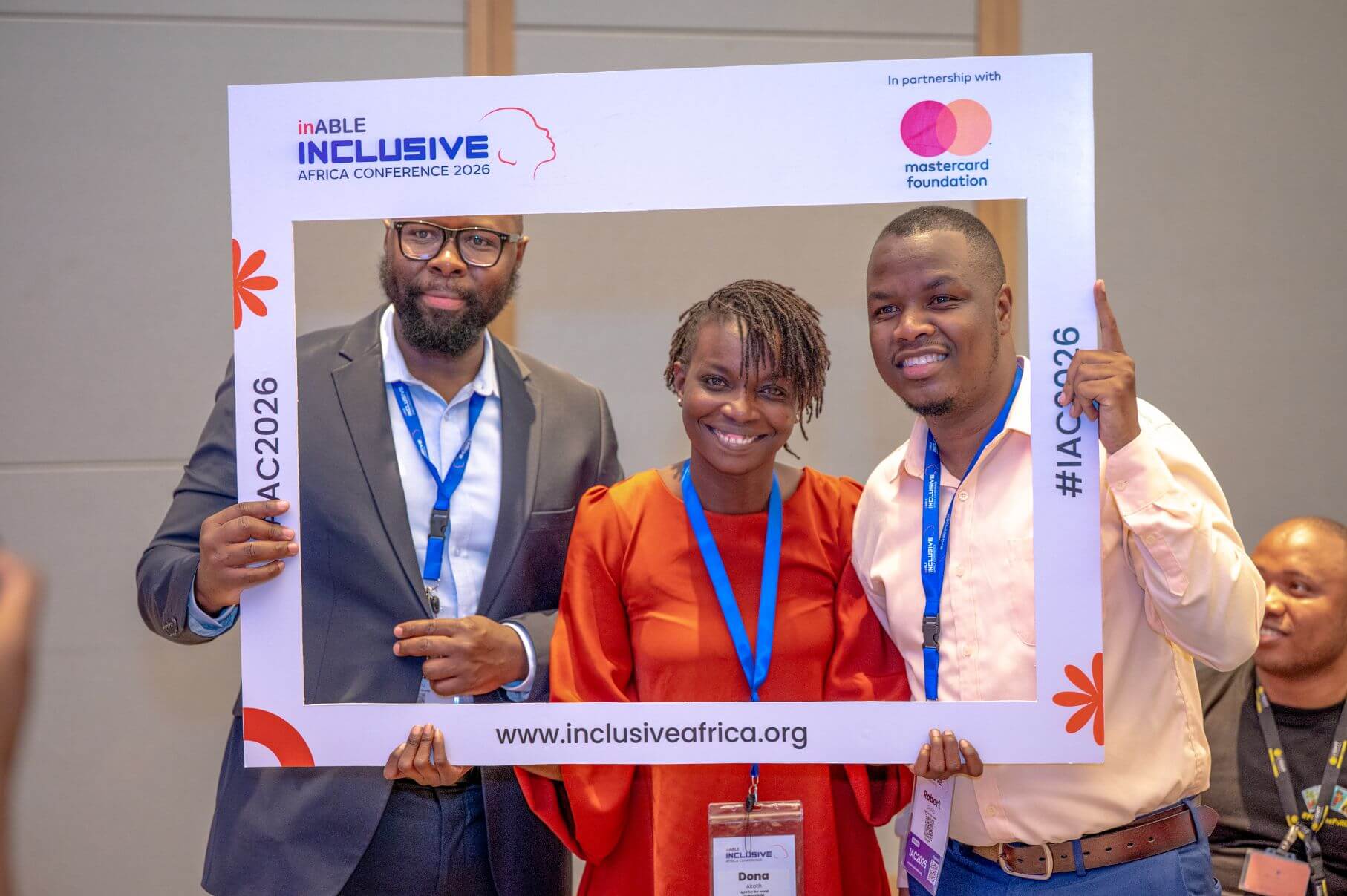
The conference, held under the theme “Accelerating Digital Accessibility and AI Solutions for Africa’s Future,” brought together employers, governments, technology leaders and organisations of persons with disabilities.
Light for the World launched the We Can Work Africa Disability Inclusion learning platform and introduced the #PlayTheFullDeck campaign, encouraging employers to recognise the strengths people with disabilities bring to the workplace.
In case you missed it…
- We reached 20,000 followers on LinkedIn! Follow us as we showcase programme highlights, expert insights and practical advice on disability rights and eye health.
- The Disability Debrief newsletter is looking for writing submissions on the subject Dear Disability Diary.
- Light for the World colleagues attended the 2030 INSIGHT LIVE and AidEx conferences in Nairobi, Kenya.
- Light for the World joined partners in calling for full funding of Global Partnership for Education and Education Cannot Wait (ECW).
- Ambrose Murangira, Senior Expert
,Disability Inclusion, reviewed the Uganda national budget through an inclusion lens in an article for Daily Monitor.
- Looking for a new role? Browse our open positions.