- Eye Health
Trachoma causes blindness and visual impairment for nearly two million people globally. While many nations have eliminated the disease, it remains a public health problem in 30 countries, including Ethiopia.
It doesn’t have to be this way. There is a clear opportunity for high-impact, cost-effective treatment to remove trachoma as a public health risk. With our partners, Light for the World is working towards eliminating trachoma in Ethiopia by 2030.
Here are four things you need to know about trachoma — and why the world needs to invest in the elimination of NTDs now.
What are neglected tropical diseases?
Neglected tropical diseases (NTDs) are endemic in more than 150 countries, impacting 1.6 billion people.
According to the WHO, NTDs are a diverse group of conditions caused by a variety of pathogens, such as bacteria, viruses, parasites, fungi or toxins. All of them have far-reaching health, social and economic consequences for patients.
1. Trachoma is the world’s leading infectious cause of blindness
Trachoma is a bacterial eye infection of the conjunctiva, caused by Chlamydia Trachomatis.
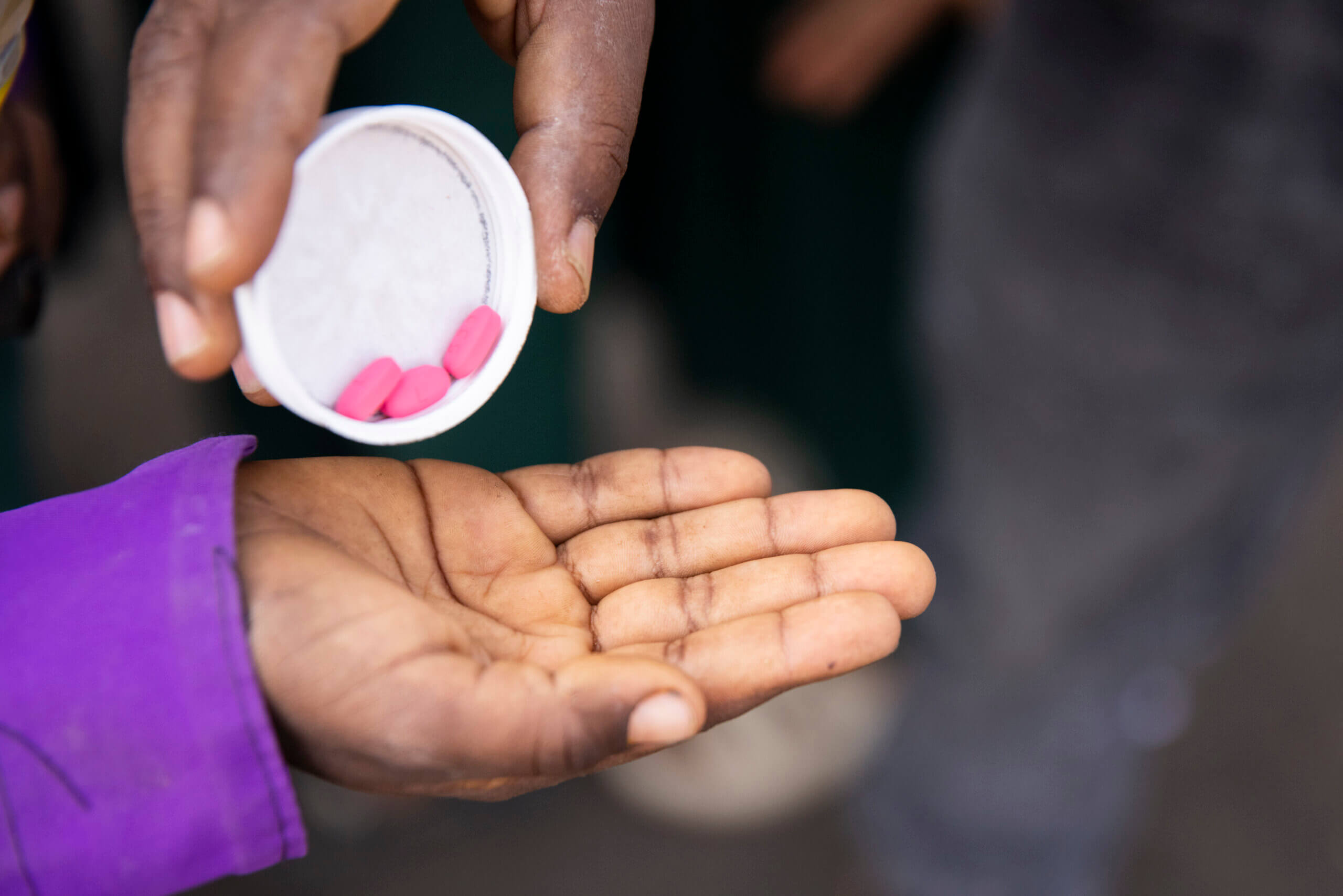
If discovered early enough, trachoma is easy to treat with antibiotics. However, repeated infections over time cause scarring on the inside of the eyelid.
As the disease progresses, the eyelashes turn inwards and scrape the cornea – a painful condition known as trachomatous trichiasis. Left untreated, this can lead to irreversible blindness.
According to the WHO, around 1.9 million people have lost their sight globally due to trachoma, and approximately two million people require urgent sight-preserving surgery.
2. Investing in NTDs is one of the most cost-effective health interventions
Neglected Tropical Diseases, including trachoma, primarily affect low-income and marginalised communities. Yet they are also among the most affordable diseases to prevent and eliminate.
Every dollar (US) invested in treatments delivers is estimated to generate around US$25 in economic and social benefits – from reduced healthcare costs to increased school participation – while restoring sight, independence, and quality of life.
The cost of inaction is staggering. The household income lost from out-of-pocket health expenses and the wages lost due to NTDs is estimated to be at least US$33 billion per year.
Eliminating trachoma is not only a health intervention — it is an investment in education, livelihoods and economies.
3. Women are disproportionately affected by trachoma
Women are up to four times more likely than men to develop trachoma. This disparity is closely linked to gender roles and caregiving responsibilities.
In many communities, women are the primary caregivers for young children, who are the main transmitters of the disease. Close daily contact can lead to repeated reinfection over many years, significantly increasing women’s risk of developing trachomatous trichiasis and blindness.
As a result, trachoma is not only a medical issue but also a gender equity and social justice issue.
4. Investing in NTDs is necessary to eliminate trachoma by 2030
The WHO aims to eliminate trachoma as a public health problem worldwide by 2030.
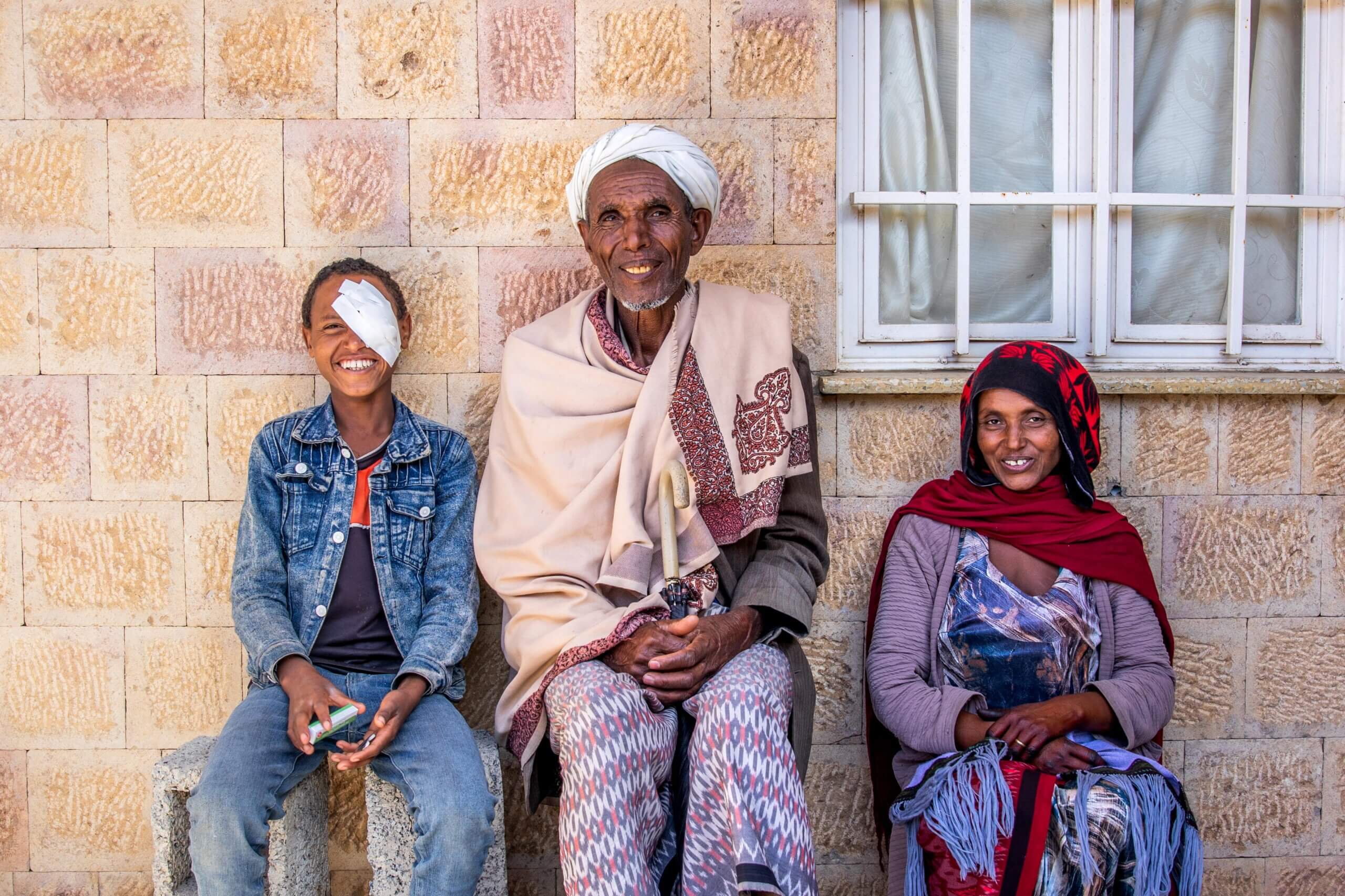
Light for the World is part of the global alliance working to achieve this goal. Along with partners, including The END Fund, the Ethiopian Ministry of Health and regional health bureaus, we are following the WHO-recommended SAFE strategy: surgery, antibiotics, facial cleanliness and environmental improvement.
According to the International Coalition for Trachoma Control, in 2002, an estimated 1.5 billion people were at risk of trachoma. For the first time since global records began, the number of people requiring interventions against trachoma has fallen below 100 million. As of November 2025, the figure has fallen to 97.1 million – a 94% reduction.
However, recent cuts to development and health financing are creating growing pressure on national trachoma programmes. This is affecting the regular delivery of antibiotics, the scale-up of prevention activities and access to sight-preserving surgery in hard-to-reach areas.
Sustained investing in NTDs is essential to protect the current progress and to ensure SAFE interventions are sustainable. Continued commitment from governments, health and policy stakeholders and donors will be critical to achieving elimination by 2030 — securing long-term public health gains and preserving sight.